
What Can Surveillance Video Prove or Fail to Prove?
Most murder cases now have some video. Here’s what a clip can show a jury, and what it can’t.
Mr. Heath Enix 'Heath' Hyde
Attorney at Law · Eligible to Practice in Texas
Bar Card Number: 00796807
TX License Date: 11/01/1996
Primary Practice Location: Sulphur Springs, TX and Dallas, TX
Office Address: 214 Connally St Ste A
Sulphur Spgs, TX 75482-2612
Return to the Texas Murder Trial Defense Knowledge Hub
Short answer
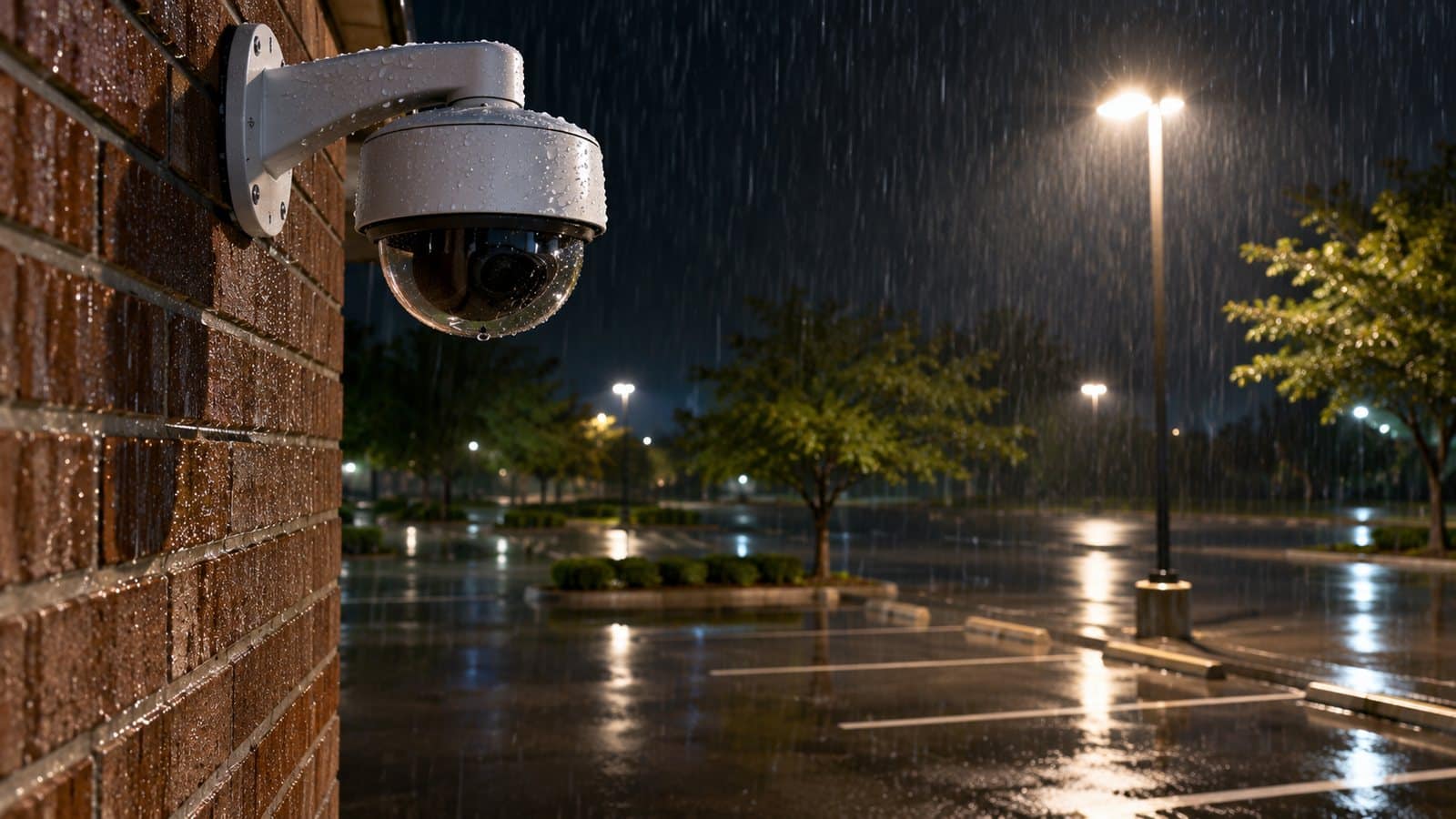
Surveillance video can prove what is plainly in the frame: that a person or a vehicle was in a place, and what the camera recorded there. By itself it often cannot prove who the person was, the exact time, or what happened out of view. A clip shows one angle, on a clock that may be wrong, and faces are often a blur. The defense gets the original file from the recorder and the minutes before and after the part the State likes.
What to do now: Make a list of every camera near the scene: doorbells, store fronts, gas pumps, and parking lots. Note which way each one points. Give the list to your lawyer today, because many systems record over old footage.
What can surveillance video actually prove?
A video is strongest on what’s plainly in the frame and weakest on what someone infers from it. Picture how that plays out:
- The State says, “That’s him walking into the store.” The clip shows a person in a dark hoodie whose face isn’t visible.
- The State says the shooting happened at 11:02 p.m. That’s the recorder’s clock, which may not match real time.
- The State calls him the aggressor. The camera may have missed the first thirty seconds of the encounter.
- The State says the video shows the whole thing. It may be a clip someone cut from a longer recording.
Video often shows a person or car entering the frame, the order of visible events, clothing colors, and body position. It doesn’t show what happened between frames or off camera. Lighting and compression can change how colors look, and no camera shows what anyone intended or believed.
In a self-defense case, the seconds before a camera picks up the encounter can matter a great deal.
Why does the defense need the original file?
Texas evidence rules start with the original, and copies can lose information.
| Rule | What it says |
|---|---|
| TRE 1001(d) | For stored data, an “original” includes any readable output that accurately reflects it. |
| TRE 1002 | The original is required to prove its content, unless another rule says otherwise. |
| TRE 1003 | A duplicate comes in unless authenticity is questioned or using it would be unfair. |
| TRE 1004 | Other proof can come in if the originals are lost, unless the offering party lost them in bad faith. |
Those rules give your lawyer a reason to push for the native file before trial.
Hypothetical: An officer filmed the store monitor with a body camera. The State produced two minutes of that, taken from a twelve-hour recording. The copy lost detail, some frames, and the system’s time data, and the other eleven hours may show a different person.
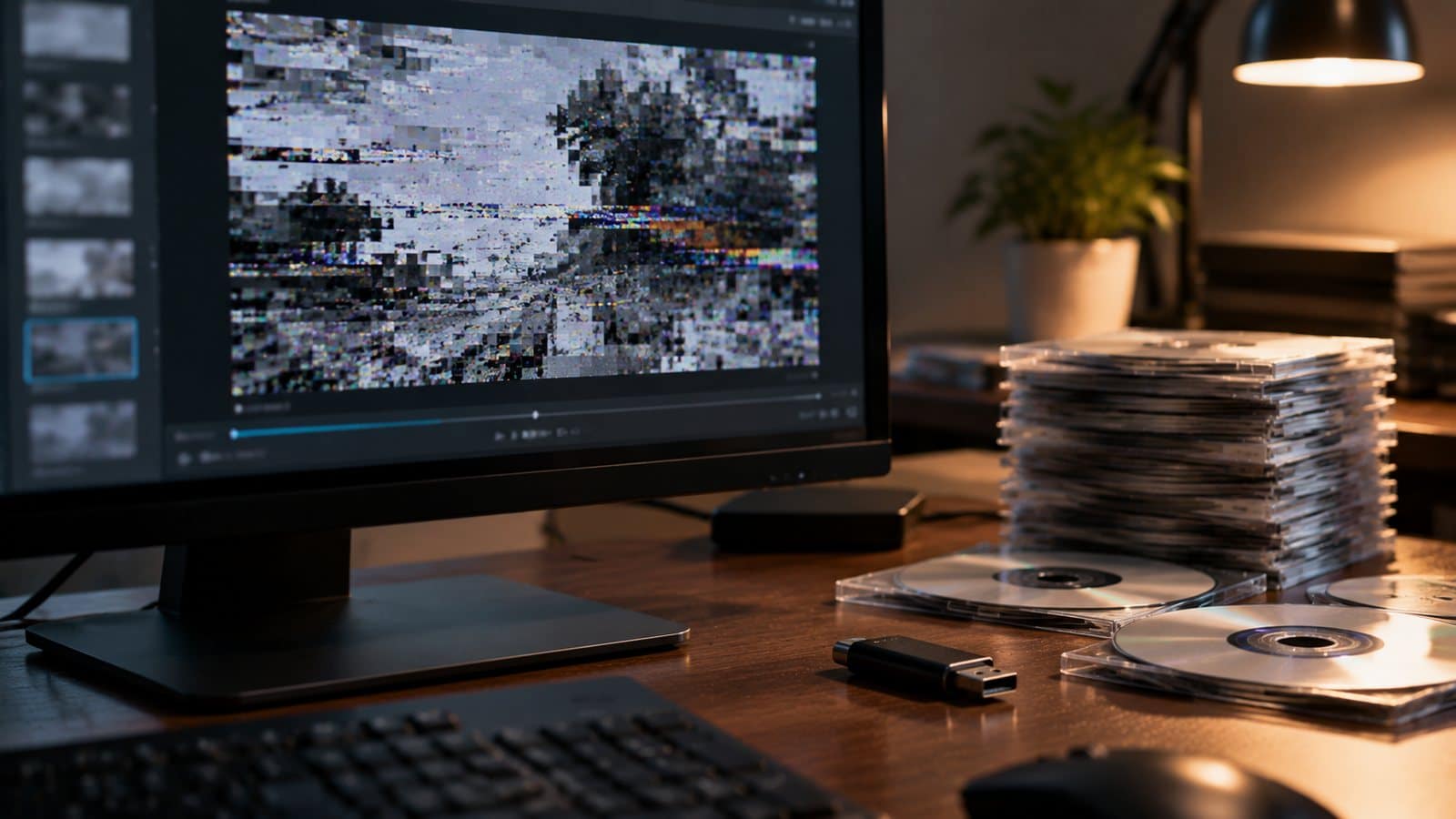
Exporting a clip in a new format can do similar damage. Conversion can change quality and drop the original file information.
Your lawyer can ask the State or the business for these items:
- The native export, along with the player software it needs
- Every camera’s footage for the full time window, since another angle may show what this one missed
- The system’s settings and any noted time offset
- The name of whoever pulled the video and the date they did it
How does the State have to authenticate a video?
Under TRE 901(a), the State must offer evidence sufficient to support a finding that the video is what the State claims it is. Rule 901(b) gives three common routes.
| Route | The defense asks |
|---|---|
| 901(b)(1): a witness says it’s accurate | Did that witness see the part that matters? |
| 901(b)(9): the system produces accurate results | Who maintains it, was the clock set, and how was the file pulled? |
| 901(b)(4): distinctive features | Do the clip’s details match the scene and the settings? |
Each route leaves the defense room to test the details.
What problems show up in the timestamps and gaps?
Recorders often run on their own clocks and recording settings.
Hypothetical: The recorder says 9:14 p.m. A 911 call logged at 9:21 p.m. describes the same event. Your lawyer asks the store manager how far off the clock was and whether anyone ever measured it.
Other gaps lead to questions for the system owner.
| What the video shows | Question for the owner |
|---|---|
| A jump between spots | Motion-only recording? |
| Two cameras, two times | Separate clocks? |
| Nobody leaving the lot | Every exit covered? |
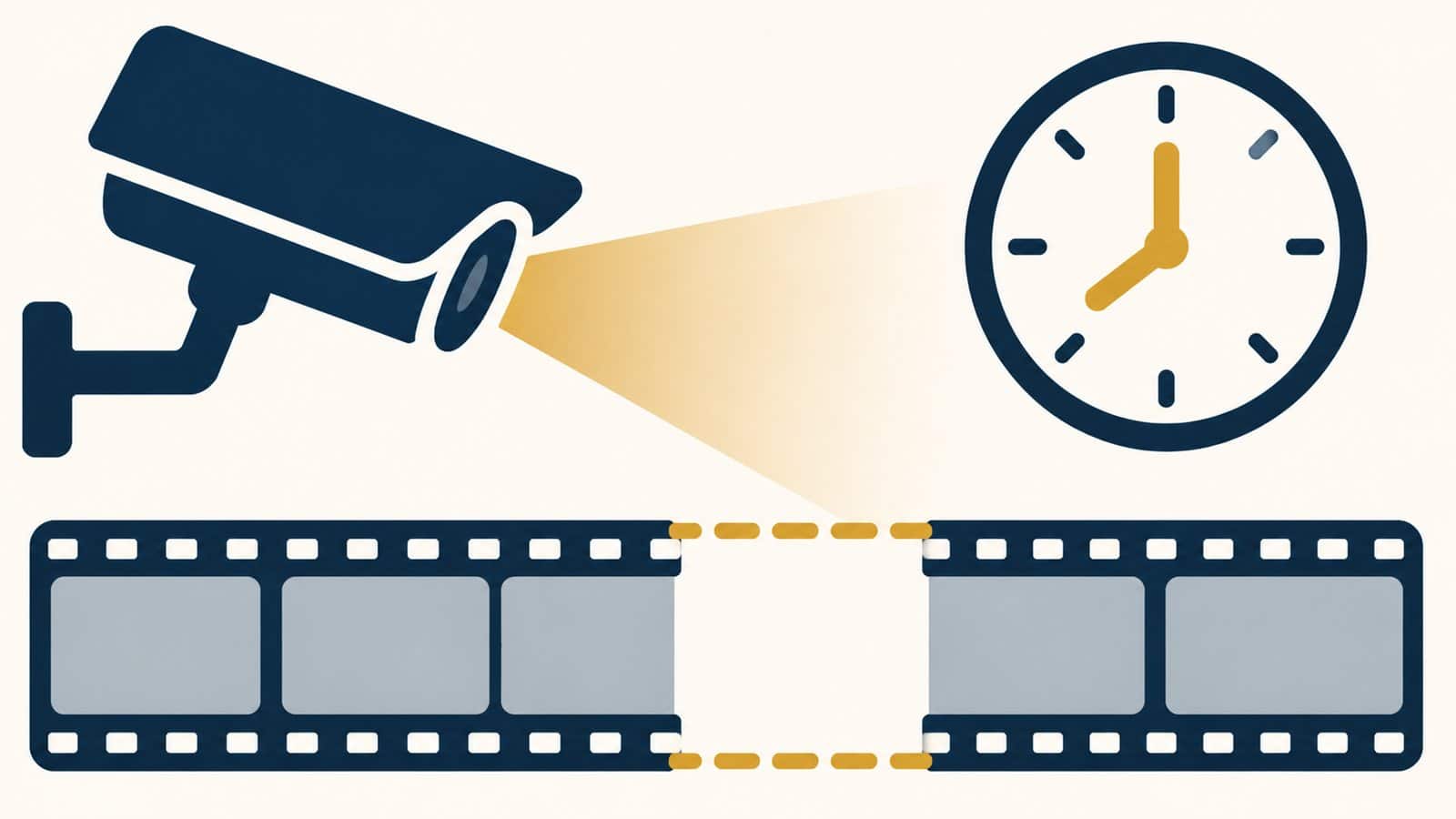
What if part of the video is missing or was edited?
Texas law gives the defense several ways to respond.
| Problem | Possible response |
|---|---|
| The State played only part of a recording. | TRE 107 lets the defense add parts needed to understand it. |
| A clip was slowed, zoomed, or enhanced. | Object under TRE 403 as misleading, and test the analyst under TRE 702. |
| A video analyst will testify for the State. | Art. 38.35’s accreditation rule doesn’t cover digital evidence, so Rule 702 is the test. |
Say the State has the full recording but produced only the clip. Art. 39.14(a) lets you request designated items in the State’s possession that are material to the case. Art. 39.14(h) requires disclosure of anything favorable.
What to do now: If a store or neighbor had a camera police never asked about, give your lawyer the address and the time window. Footage that gets recorded over can’t be tested by anyone.
Two other problems turn on Supreme Court cases. In Arizona v. Youngblood (1988), the Court held that failing to preserve potentially useful evidence violates due process only if police acted in bad faith. In Riley v. California (2014), it held that police generally need a warrant to search a phone taken in an arrest.
Youngblood matters when police never collected video that may have helped. Riley matters when the video came from the defendant’s phone, and CCP art. 18.0215 sets the same warrant rule in Texas.
Frequently asked questions
Can video help prove an alibi?
It can. Footage from somewhere else at the same moment can support an alibi. Someone still has to confirm that camera’s clock.
How long do businesses keep video?
That depends on the system’s settings, and many write over old footage on a loop. The sooner your lawyer hears about a camera, the better the odds the footage still exists.
Should our family go collect video from the neighbors?
No. Give the locations to your lawyer, who can ask for preservation and handle collection properly.
What if someone wants to delete a video that hurts the case?
Don’t. Under Penal Code §37.09, destroying or altering evidence during an investigation can be a third-degree felony.
Talk with Heath Hyde
Ask for the full recording, not the clip that aired on the news. Call Heath Hyde, P.C. at 903.439.0000 or request a free consultation.
Legal sources
- Tex. R. Evid. 107, 403, 702, 901, 1001–1004
- Tex. Code Crim. Proc. art. 39.14
- Tex. Code Crim. Proc. art. 38.35
- Arizona v. Youngblood, 488 U.S. 51 (1988)
This article provides general educational information, not legal advice. Every case depends on its facts, evidence, court, deadlines and governing law. Past results do not guarantee a similar outcome.