
How Is Firearm and Toolmark Evidence Challenged?
A firearms examiner may say a cartridge case came from a certain gun. That opinion rests on judgment, and it doesn’t say who pulled the trigger.
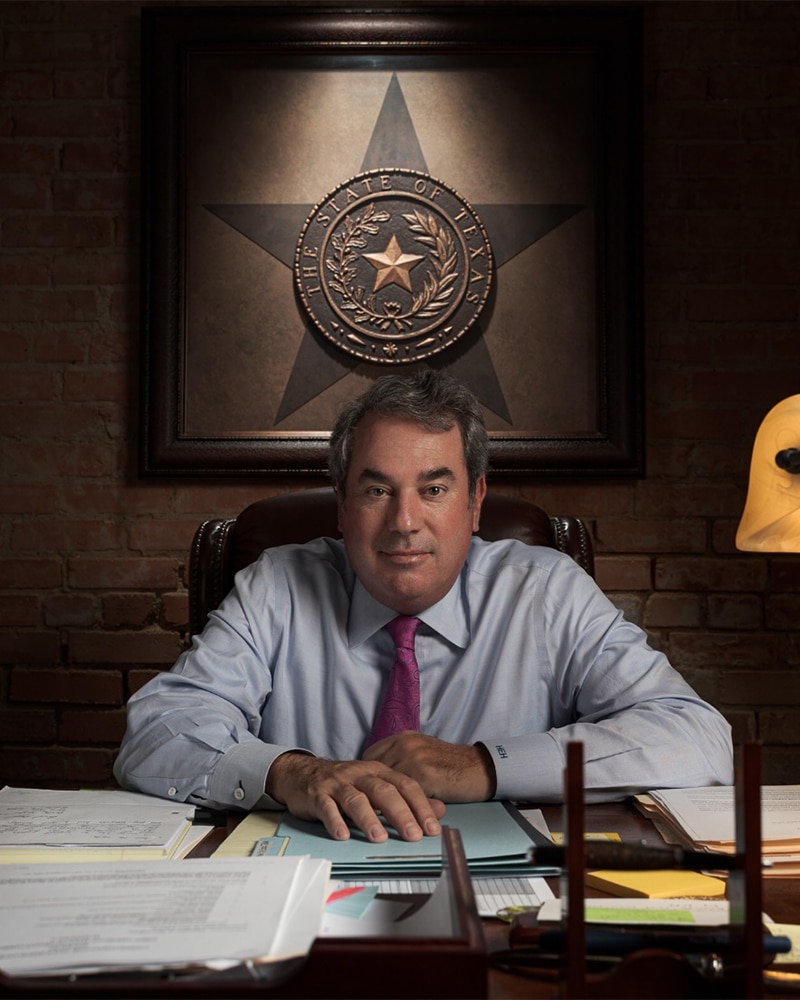
Mr. Heath Enix 'Heath' Hyde
Attorney at Law · Eligible to Practice in Texas
Bar Card Number: 00796807
TX License Date: 11/01/1996
Primary Practice Location: Sulphur Springs, TX and Dallas, TX
Office Address: 214 Connally St Ste A
Sulphur Spgs, TX 75482-2612
Return to the Texas Murder Trial Defense Knowledge Hub
Short answer
Get the examiner’s whole file, not just the report. Compare what the photos show with how strongly the report words the match. Even a strong match won’t say who fired the gun.
What does a firearm and toolmark comparison look at?
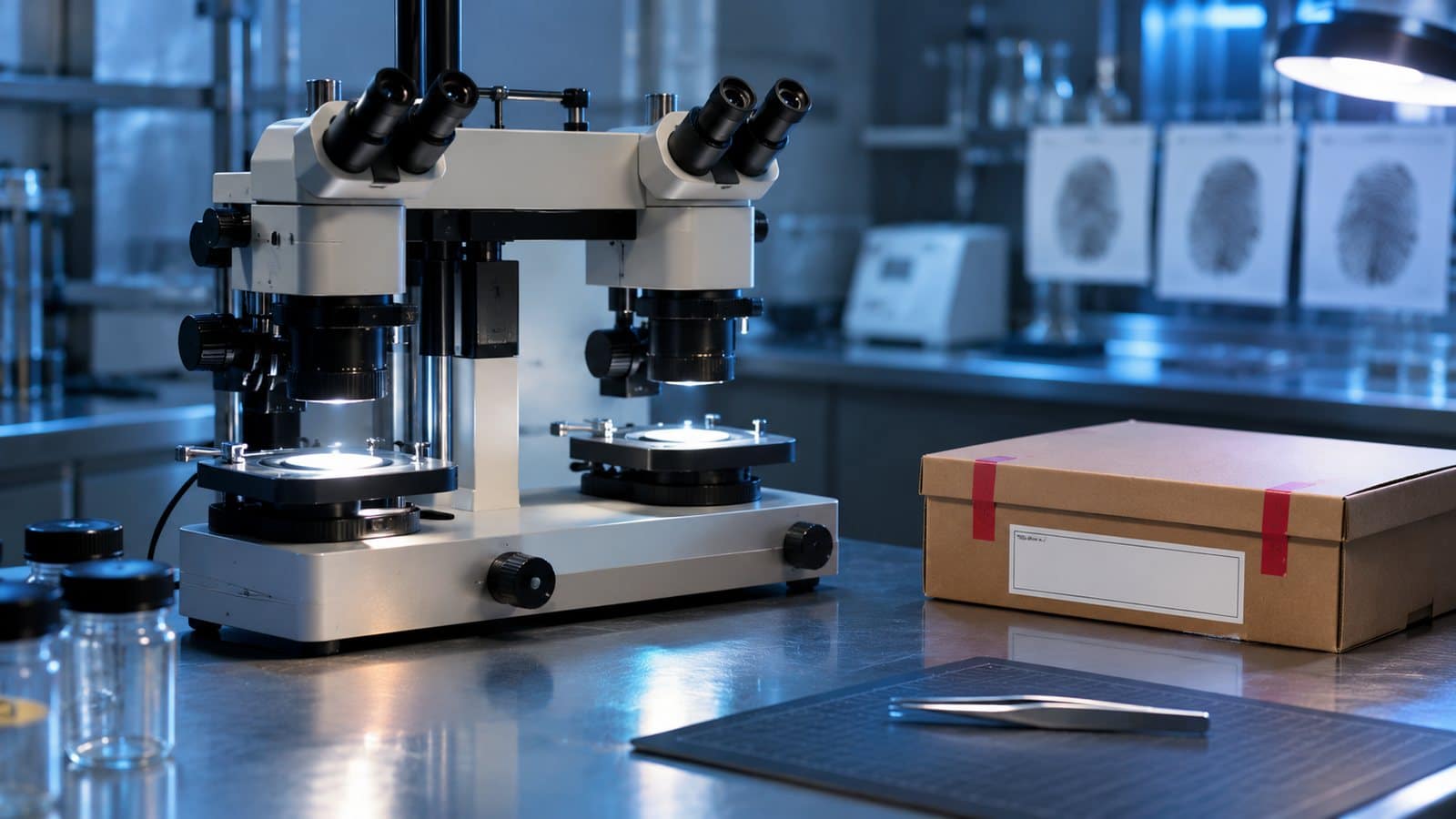
A gun leaves microscopic marks on bullets and cartridge cases, and examiners compare those marks. Say police recover a 9mm cartridge case from a parking lot and a pistol from a car two days later. The examiner works with four kinds of items:
- A recovered bullet or fragment, which carries marks the barrel left along its surface
- A recovered cartridge case, which carries marks from the firing pin, breech face, extractor, and ejector
- Test-fired samples, which the lab makes by firing the recovered gun
- Database images from the ATF’s NIBIN network, which holds images of bullets and cartridge cases from crime scenes
NIST describes the goal as deciding whether a specific firearm or tool was used. It also builds standards, reference materials, and statistical models to give the results a firmer mathematical footing.
What conclusions can an examiner report?
The Department of Justice’s 2023 guidance gives its own examiners three possible conclusions:
- Source identification means the examiner believes the chance that a different gun made the marks is so small it’s negligible.
- Source exclusion means the examiner believes the marks came from different sources.
- Inconclusive means the examiner couldn’t identify or exclude, because the marks weren’t good enough or didn’t agree enough.
The same guidance limits what DOJ examiners may claim.
| A DOJ examiner may not say | Why it matters in Texas |
|---|---|
| “To the exclusion of all other sources.” | Ask why the DOJ forbids it. |
| The discipline is infallible or error-free. | Ask the examiner for error-rate studies. |
| “100% certain” or a “reasonable degree of scientific certainty.” | The opinion rests on judgment, not a measurement. |
| A long career proves this conclusion is right. | Experience shows qualifications, not accuracy here. |
These rules bind DOJ examiners only. A Texas lab follows its own procedures, and the defense can request them.
How does the defense test the examiner’s work?
Texas law gives the defense specific tools before and during trial.
| Rule | What it lets the defense do |
|---|---|
| TRE 702 | Challenge qualifications and whether the opinion helps the jury. |
| TRE 705(b), (c) | Question the examiner outside the jury’s presence, and object to an insufficient basis. |
| CCP art. 38.35 | Exclude a ballistic “forensic analysis” from an unaccredited lab, with limited exceptions. |
| CCP art. 38.41 | Object in writing by the 10th day before trial, so a certificate of analysis can’t come in under that article. |
Article 39.14(a), (b), and (h) also lets you request the State’s reports and its expert list, and the State must disclose favorable information.
What to do now: Ask the lab for these records early.
- Bench notes, photos, and comparison images, which show what the examiner relied on
- The technical reviewer’s notes and any disagreement, since a second examiner may have seen it differently
- The lab’s procedure manual and its rules for “inconclusive,” because labs set their own reporting rules
- The examiner’s proficiency test history on known samples
- Any change between the first and final report, along with the documented reason for it
Does a link to the gun prove who fired it?
No. The State has to connect the defendant to the gun with other evidence. A match leaves several gaps open.
| Situation | What the State still has to show |
|---|---|
| Three people shared the car with the gun. | Who had it that night |
| Police found the gun two weeks later. | Who held it in between |
| Cases from two scenes match one gun. | That the same person fired it both times |
| The defendant says he fired in self-defense. | Intent and justification |
These questions matter for self-defense and for a deadly weapon finding. To trace the gun, the defense may need three more things:
- Fingerprint and DNA results from the gun
- Purchase, pawn, and theft records
- An independent examiner’s review of the comparison
Prints or DNA may point to someone else. Sometimes they show nothing at all, and that matters too.
What can a family do to help trace the gun?
You may know things about the gun that police don’t. It might have been an uncle’s pistol, kept in a nightstand four roommates could open. That kind of detail never shows up in a lab report.
Write down what you know and give it to the defense lawyer:
- Who owned the gun, and who had a key to wherever it was kept
- When anyone last saw it, and where
- Any sale, loan, pawn, or theft, with rough dates
- Who drove or rode in the car where police found it
Don’t post about the gun online or talk about it on jail phone calls, which are usually recorded.
Frequently asked questions
Can the defense examine the bullets and cartridge cases?
Art. 39.14(a) covers inspection and photographing of tangible evidence the State holds. Counsel and the court usually arrange access for testing.
What does “inconclusive” mean in a firearms report?
It means the examiner couldn’t identify or exclude the gun. It isn’t a partial match.
What if the science behind the comparison changes after a conviction?
CCP art. 11.073 lets a convicted person seek habeas relief based on new scientific evidence in certain cases.
Can someone complain about a crime lab’s firearms work?
Yes. You can file a complaint with the Texas Forensic Science Commission. The commission looks into claims of professional negligence or misconduct that would substantially affect the integrity of a forensic analysis.
Talk with Heath Hyde
If a firearms comparison is part of a murder case against someone you love, the examiner’s file matters as much as the report. Call Heath Hyde, P.C. at 903.439.0000 or request a free consultation. The forensic evidence section of the Texas Murder Trial Defense Knowledge Hub covers related evidence.
Legal sources
- Tex. Code Crim. Proc. arts. 38.01, 38.35, 38.41
- Tex. Code Crim. Proc. art. 39.14
- Tex. Code Crim. Proc. art. 11.073
- Tex. R. Evid. 702–705
- DOJ, Firearms/Toolmarks ULTR (2023)
- NIST, Firearms and Toolmarks
- National Research Council, Strengthening Forensic Science in the United States (2009)
This article provides general educational information, not legal advice. Every case depends on its facts, evidence, court, deadlines and governing law. Past results do not guarantee a similar outcome.