
How Does a Defense Lawyer Challenge an Autopsy or Cause of Death Opinion?
An autopsy opinion is only as strong as the records, methods, and assumptions behind it. Here’s how the defense tests each one in a Texas murder case.
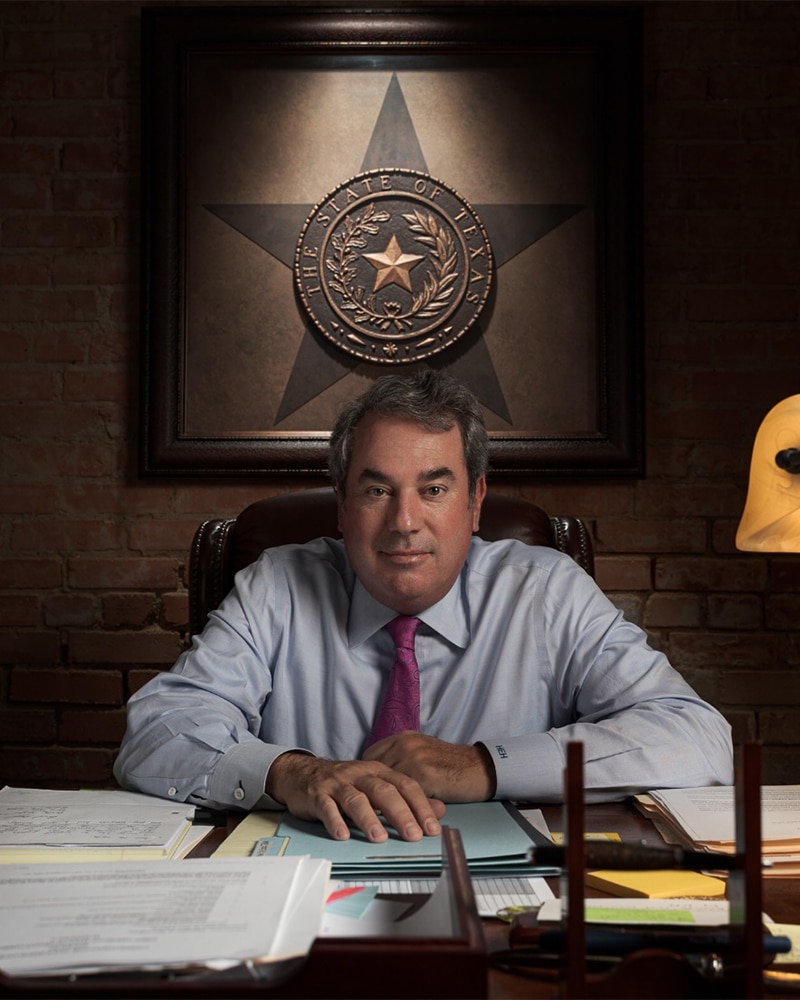
Mr. Heath Enix 'Heath' Hyde
Attorney at Law · Eligible to Practice in Texas
Bar Card Number: 00796807
TX License Date: 11/01/1996
Primary Practice Location: Sulphur Springs, TX and Dallas, TX
Office Address: 214 Connally St Ste A
Sulphur Spgs, TX 75482-2612
Return to the Texas Murder Trial Defense Knowledge Hub
Short answer
The report itself is a summary. Your lawyer asks for the file behind it (notes, photos, slides, toxicology) and checks every conclusion against the pictures and the hospital chart. A conclusion with nothing in the file to back it is the place to push.
What to do now: Write down every hospital, clinic, and pharmacy that treated the person who died. Your lawyer will want those records too.
What records sit behind an autopsy opinion in Texas?
The written report is only a summary, so the defense asks for what sits behind it:
- The full autopsy report and detailed findings, which a medical examiner must file with the district attorney under CCP art. 49.25, §9, and keep in the office’s records under §11
- Autopsy photographs and x-rays, which §11 holds back from routine public-records requests but leaves open to a subpoena or other legal authority
- Scene photos, investigator notes, and the information sheet sent to the pathologist, all of which you can request from the State’s file under CCP art. 39.14(a)
- Hospital, EMS, and prescription records, which treating providers usually produce by subpoena or court order
- The toxicology report and the testing lab’s case file
Some counties have no medical examiner. There, a justice of the peace decides whether to order an autopsy under CCP art. 49.10, so the inquest file and the autopsy order belong on the list.
Ask for anything that helps the defense, too. CCP art. 39.14(h) makes the State disclose favorable information, and under Brady v. Maryland, hiding material favorable evidence violates due process.
Hypothetical: Page 3 of the report lists “blunt force injuries of the head.” The photo log has 41 entries, and none of them shows the scalp after it was reflected. Your lawyer asks why.
The notes matter as much as the report. Suppose one line reads “history per detective: assault.” The police theory got to the morgue before the pathologist wrote a word. Pull the ER chart next. A nurse’s note about a fall two hours before death raises a fair question: did the fall or the surgery change how the injury looks?
Is a cause of death the same as proof of murder?
No. These three terms get blurred, and keeping them apart helps the defense.
| Term | What it means | What it doesn’t prove |
|---|---|---|
| Cause of death | It’s the injury or disease that started the chain ending in death. | It doesn’t show who caused it or how it happened. |
| Manner of death | It’s a certifier’s category: natural, accident, suicide, homicide, or undetermined. | It doesn’t show criminal intent, and the NAME guide calls “homicide” a neutral term. |
| Murder under Penal Code §19.02(b) | The State must prove intentionally or knowingly causing death, or another statutory theory, beyond a reasonable doubt. | A medical label doesn’t prove any of it. |
A death certificate that says “homicide” doesn’t answer the question a jury has to decide.
Causation is one of the things the State must prove to convict someone of murder in Texas. Penal Code §6.04(a) adds a limit on concurrent causation in a homicide case. You aren’t criminally responsible if a concurrent cause was clearly sufficient to cause the death and your conduct was clearly insufficient.
Picture how that plays out:
- A man struck once in a bar fight dies 11 days later of pneumonia after surgery. Was the blow a but-for cause, or was a later medical event clearly sufficient on its own?
- An autopsy finds a head injury and a heart with 90% blockage in one artery. Which condition actually caused death, and can the pathologist tell?
- The report says “homicide” based only on a witness’s account of a shove. The medical finding may not separate a fall from a push.
How does the defense test the pathologist’s method?
The Texas Rules of Evidence give the defense four specific tools.
| Rule | What it lets the defense do |
|---|---|
| TRE 702 | Challenge the witness’s qualifications and whether the opinion will help the jury. |
| TRE 703 | Ask what data the opinion rests on and whether experts in the field reasonably rely on it. |
| TRE 705(b) | In a criminal case, question the expert about the underlying data outside the jury’s hearing first. |
| TRE 705(c) | Object that the underlying data aren’t a sufficient basis for the opinion. |
Two experts can disagree and both still testify. The judge rules on whether an opinion comes in, and the jury decides whom to believe.
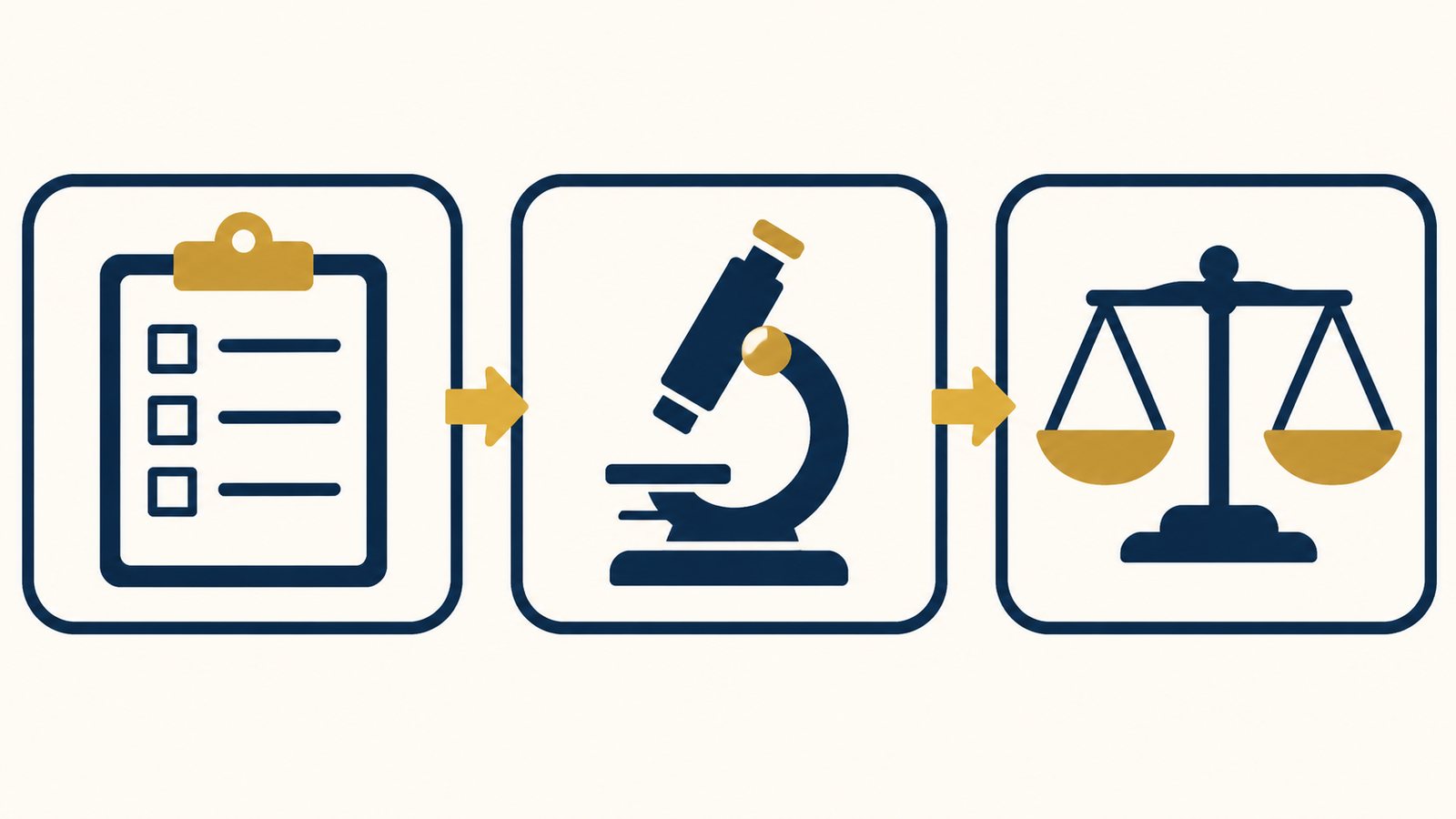
Questions for the pathologist
- Which findings did you see yourself, and which came from the police?
- What else could cause this pattern of injury?
- Did you get the time of death from measurements or from the case history?
- Did your office keep slides, tissue, or fluids that someone else can test?
- Did you ever change the cause or manner of death? If so, what changed your mind?
A vague answer to the first question is worth following up. If the pathologist can’t separate the autopsy findings from what a detective said, the jury should hear that.
Can the State use an autopsy done by a pathologist who won’t testify?
Sometimes the doctor who did the autopsy can’t testify. The doctor may have retired or moved out of state by the time of trial. The State then calls a colleague, and two U.S. Supreme Court cases limit what that colleague can say.
| Case | What the Court held |
|---|---|
| Melendez-Diaz v. Massachusetts (2009) | Sworn forensic lab certificates were testimonial, so the analysts were witnesses the accused could confront. |
| Smith v. Arizona (2024) | When a substitute expert relays an absent analyst’s statements to support an opinion, and they support it only if true, they come in for their truth. |
Smith sent the question of whether the statements were testimonial back to the state court. That answer turns on the primary purpose of each statement.
Hypothetical: Dr. A did the autopsy in 2023 and retired last spring. At trial, Dr. B reads Dr. A’s findings to the jury and says she agrees with them. Your lawyer cites Smith v. Arizona and asks whether Dr. A’s report was testimonial.
Sometimes the State offers the written report alone, with no pathologist on the stand. Your lawyer will then ask whether the Confrontation Clause and the hearsay rules allow that.
When does the defense need its own forensic pathologist?
An independent reviewer is often the only way to know whether the State’s opinion holds up. Three situations call for one:
- Cause of death is the main fight, and a second reading of the slides, photos, and records can test the conclusion.
- The defense theory is accident, a fall, or a medical event, and someone has to explain the medicine to the jury in plain terms.
- The State’s expert relied on a short history from police, and a reviewer can say what the body shows without it.
Timing matters here.
| Deadline or tool | What to do |
|---|---|
| CCP art. 39.14(b) | Ask the State in writing to name its experts; a request made by the 30th day before jury selection must be answered by the 20th day before. |
| CCP art. 26.05(d) | In a noncapital case, appointed counsel gets reimbursed for reasonable and necessary expert expenses, with or without prior court approval. |
| Preservation letter | Ask the medical examiner and the lab in writing to keep slides, tissue, and fluids. |
A reviewer can’t re-examine tissue that nobody kept, so the letter goes out first.
Frequently asked questions
Can my family get the autopsy report?
Medical examiner records generally can’t be withheld except under Public Information Act exceptions. Autopsy photos and x-rays are withheld from public release, but a subpoena can reach them.
Does the crime-lab accreditation rule apply to autopsies?
CCP art. 38.35(f) says that rule doesn’t cover the part of an autopsy a licensed-physician pathologist performs. Toxicology and other lab testing tied to the case still fall under it.
What if the science changes after a conviction?
CCP art. 11.073 lets a convicted person seek habeas relief based on new scientific evidence that wasn’t available at trial. The court must find it more likely than not that the person wouldn’t have been convicted.
Can a pathologist say the death was a murder?
Under TRE 704, an opinion isn’t objectionable just because it embraces an ultimate issue. The defense can still object when a pathologist moves toward the legal elements, and the judge decides.
Talk with Heath Hyde
If someone you love is charged and an autopsy opinion is part of the case, gather the paperwork you have and call Heath Hyde, P.C. at 903.439.0000 or request a free consultation. You’ll find more on how these cases are built in the Texas murder defense knowledge hub.
Legal sources
- Tex. Code Crim. Proc. arts. 49.10, 49.25
- Tex. Code Crim. Proc. art. 39.14
- Tex. Code Crim. Proc. art. 38.35
- Tex. Code Crim. Proc. art. 26.05
- Tex. Code Crim. Proc. art. 11.073
- Tex. Penal Code §§6.04, 19.02
- Tex. R. Evid. 702–705
- Smith v. Arizona, 602 U.S. 779 (2024)
- Melendez-Diaz v. Massachusetts, 557 U.S. 305 (2009)
- Brady v. Maryland, 373 U.S. 83 (1963)
- NAME manner-of-death guide
- NAME autopsy performance standards (2025)
This article provides general educational information, not legal advice. Every case depends on its facts, evidence, court, deadlines and governing law. Past results do not guarantee a similar outcome.