
How Are Eyewitness Identifications Challenged in Texas?
A witness can be sincere, confident, and still wrong. Texas law and the Constitution give the defense specific ways to test how an identification was made.
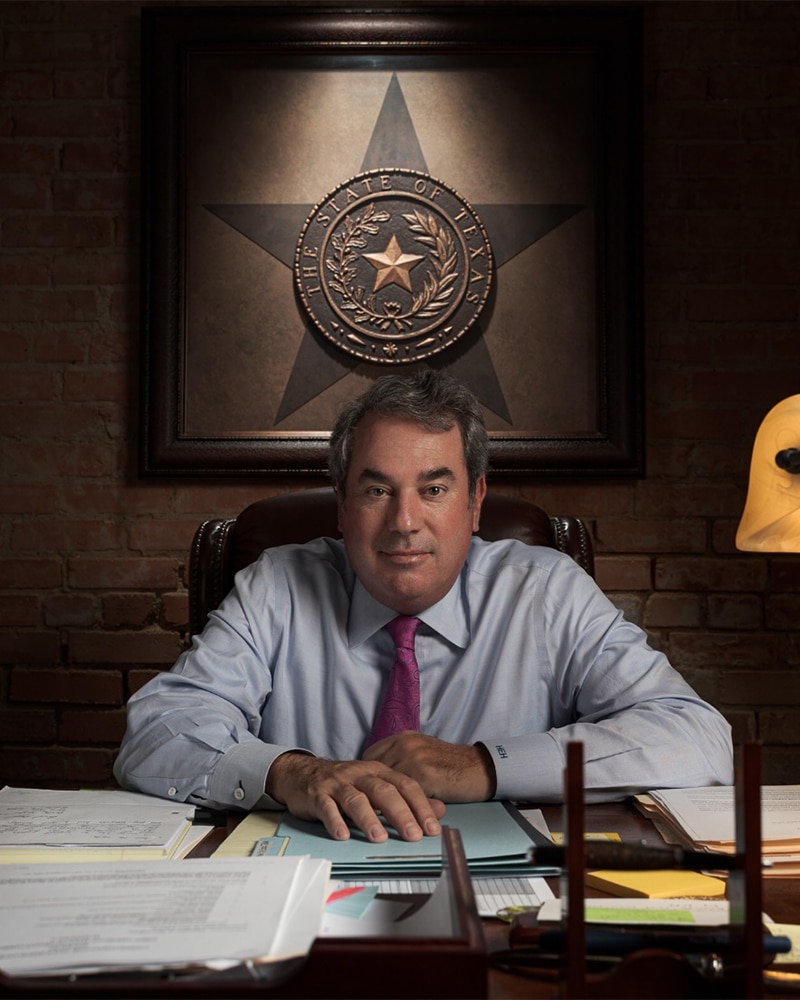
Mr. Heath Enix 'Heath' Hyde
Attorney at Law · Eligible to Practice in Texas
Bar Card Number: 00796807
TX License Date: 11/01/1996
Primary Practice Location: Sulphur Springs, TX and Dallas, TX
Office Address: 214 Connally St Ste A
Sulphur Spgs, TX 75482-2612
Return to the Texas Murder Trial Defense Knowledge Hub
Short answer
A lineup can show who a witness picked. It can’t show the pick was right. So your lawyer starts with the photos, the instructions, and the confidence statement Texas law requires, and checks how fair the procedure was.
Hypothetical: The State says, “She picked him out of a photo lineup, and she’s 100% sure.” The lineup form shows she said “I think it’s him.” The other five photos show men ten years older with lighter hair.
The defense also asks whether two witnesses talked to each other or saw the same news photo before they picked anyone.
What does Texas law require for lineups?
CCP art. 38.20 requires Texas law enforcement agencies that run lineups to adopt a detailed written policy. Your lawyer reads the agency’s policy and checks the lineup against it:
- Did the fillers match the witness’s description, and did any photo make the suspect stand out?
- Was the witness told the person who committed the offense may or may not be present?
- Did the file document the result and the witness’s statements, even a non-identification or a pick of a filler?
- Was the administrator blind to the suspect, or did the agency use another method to prevent influence?
- If the witness can’t read or has limited English, did the policy’s procedures get followed?
Art. 38.20 also requires police to ask the witness, right after an identification, how confident they are in their own words. The agency documents that answer.
Section 5 of the article controls how this evidence comes in at trial.
| Section of art. 38.20 | What it says about the evidence |
|---|---|
| Sec. 5(a) | Identification evidence and expert testimony on eyewitness identification come in only subject to the Texas Rules of Evidence. |
| Sec. 5(b) | Failing to follow the policy doesn’t by itself bar the identification, even though art. 38.23 normally excludes evidence obtained in violation of a statute. |
| Sec. 5(c) | An in-court identification after an earlier lineup is admissible only with the details of each earlier lineup and how it was run. |
So when a witness points at the defendant in court, the details of the first lineup come in with it.
Hypothetical: Six months after a photo lineup, the witness points at the defendant from the stand. At the lineup, she hesitated for a full minute, and the officer running it knew which photo was the suspect. Under Sec. 5(c), the State can’t offer the courtroom identification without the details of how that lineup was run.
When can an identification be suppressed?
The U.S. Supreme Court has set the constitutional test in five cases.
| Case | What the Court held |
|---|---|
| Simmons v. United States (1968) | An identification is set aside only if the photo procedure was so suggestive that it created a very substantial likelihood of irreparable misidentification. |
| Neil v. Biggers (1972) | The Court listed factors that bear on reliability despite a suggestive procedure. |
| Manson v. Brathwaite (1977) | The Court called reliability the linchpin of admissibility. |
| Perry v. New Hampshire (2012) | The due process check applies only when police arranged the suggestive circumstances. |
A lawyer’s presence matters too. Under United States v. Wade (1967), an accused has a right to counsel at a post-indictment lineup.
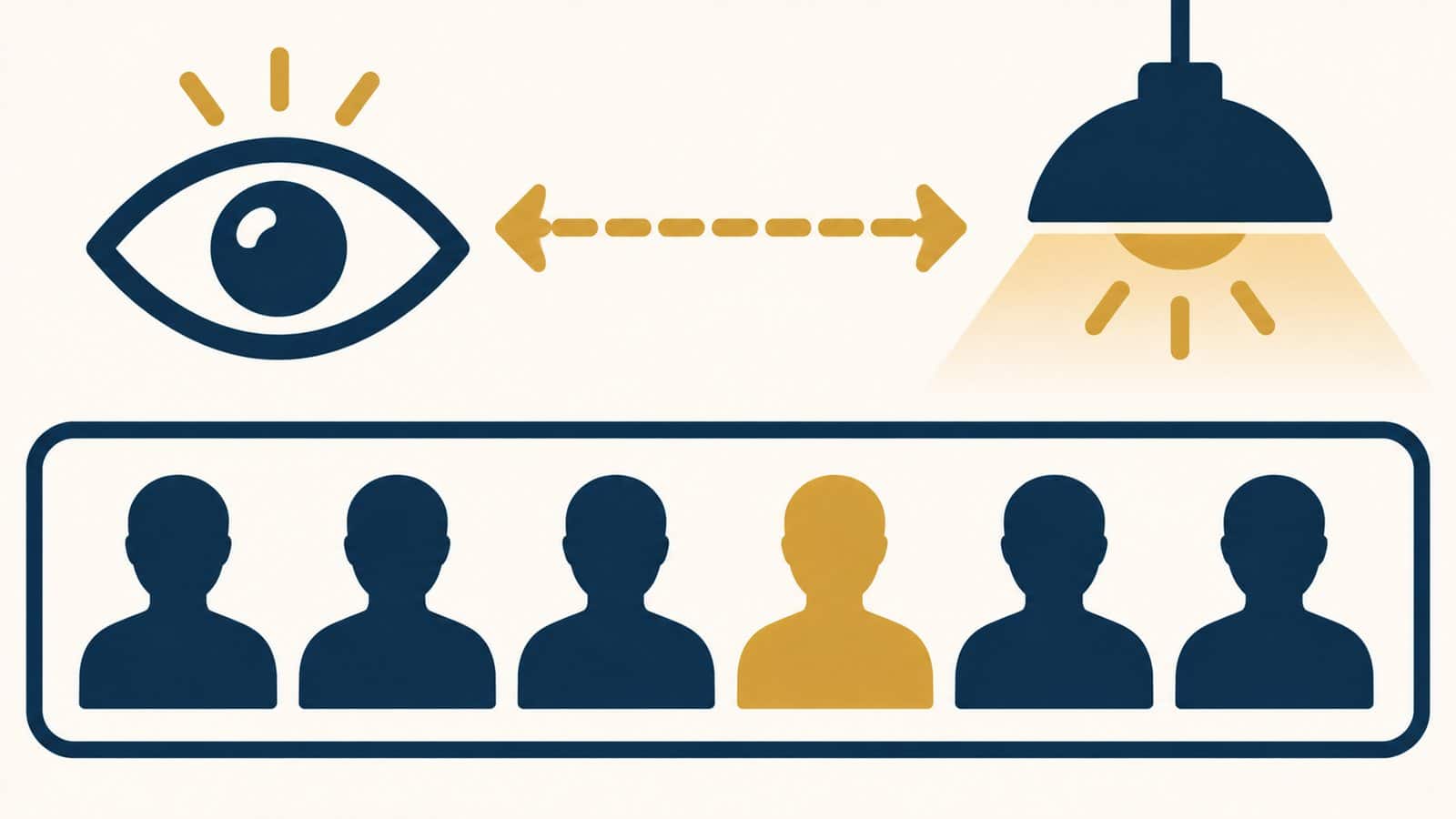
The Biggers factors work like a checklist. Here’s how each one can cut against the State.
| Biggers factor | What the file might show |
|---|---|
| Opportunity to view | Two seconds, across a dark parking lot |
| Degree of attention | She was watching the gun, not the face. |
| Accuracy of the first description | The 911 caller described a beard; he had none. |
| Certainty at the confrontation | “I think it’s him” at the lineup, “I’m sure” at trial |
| Time between crime and confrontation | Six weeks, after his photo appeared online |
What records should the defense get?
Key point: Get the 911 call first. It’s where the witness described the shooter before seeing a single photo.
After that, your lawyer wants the dispatch audio, the first report, any early body-camera video, the photo array with every filler, the instructions, the confidence statement, and the lineup policy.
Art. 39.14(a) covers witness statements in the State’s possession. Art. 39.14(h) requires disclosure of favorable information, such as a witness who picked a filler.
What to do now: If you know who the witness is, don’t contact them. Tell your lawyer what you know about where they were standing, what the lighting was like, and whether they knew the accused.
Two evidence rules help at trial. Under TRE 613, after laying the foundation, your lawyer can confront the witness with an earlier statement that doesn’t match. Under TRE 702 and art. 38.20, Sec. 5(a), the defense can ask to call an expert on how memory works.
Hypothetical: On the 911 call, the caller says “a guy with a beard, red jacket.” At trial, she describes a clean-shaven man in black. After laying the foundation, your lawyer plays the call.
What can a family do to help test the identification?
You may know how your son looked that month better than anyone. Maybe he’d shaved his beard for a job interview. Maybe his photo went around a neighborhood Facebook group the day after the shooting.
Gather these for the defense lawyer:
- Dated photos that show his hair, beard, and clothes around that time
- Names of people who were with him that night
- Any post or news story that showed his photo before the lineup
- Anything you know about the witness and how they knew him
Give the list to the defense lawyer. Don’t share it with police or with the witness.
Frequently asked questions
Can a confident witness still be wrong?
Yes. That’s why Texas law makes police record the witness’s confidence right after the lineup, in the witness’s own words. A shaky “I think so” that turns into “I’m certain” by trial is worth showing the jury.
What if police didn’t follow their lineup policy?
Say the agency’s policy called for a blind administrator, but the detective on the case ran the photo array himself. The identification isn’t automatically thrown out, but the failure can still be raised with the judge and the jury.
What if the witness knew the defendant before?
Say the witness and the accused worked the same shift for three years. A prior relationship changes the analysis. Your lawyer will look at how well and how recently the witness knew the person.
How does this connect to other defenses?
Yes. If the witness saw the shooter for two seconds, your lawyer will look hard at an alibi, like a receipt from across town, and at evidence about another suspect.
Talk with Heath Hyde
If a witness picked your loved one out of a lineup, the lineup paperwork can matter as much as the testimony. Call Heath Hyde, P.C. at 903.439.0000 or request a free consultation. The witnesses and statements section of the Texas Murder Trial Defense Knowledge Hub covers related issues.
Legal sources
- Tex. Code Crim. Proc. art. 38.20
- Tex. Code Crim. Proc. art. 39.14
- Tex. R. Evid. 613, 702
- Simmons v. United States, 390 U.S. 377 (1968)
- Neil v. Biggers, 409 U.S. 188 (1972)
- Manson v. Brathwaite, 432 U.S. 98 (1977)
- Perry v. New Hampshire, 565 U.S. 228 (2012)
- United States v. Wade, 388 U.S. 218 (1967)
This article provides general educational information, not legal advice. Every case depends on its facts, evidence, court, deadlines and governing law. Past results do not guarantee a similar outcome.