


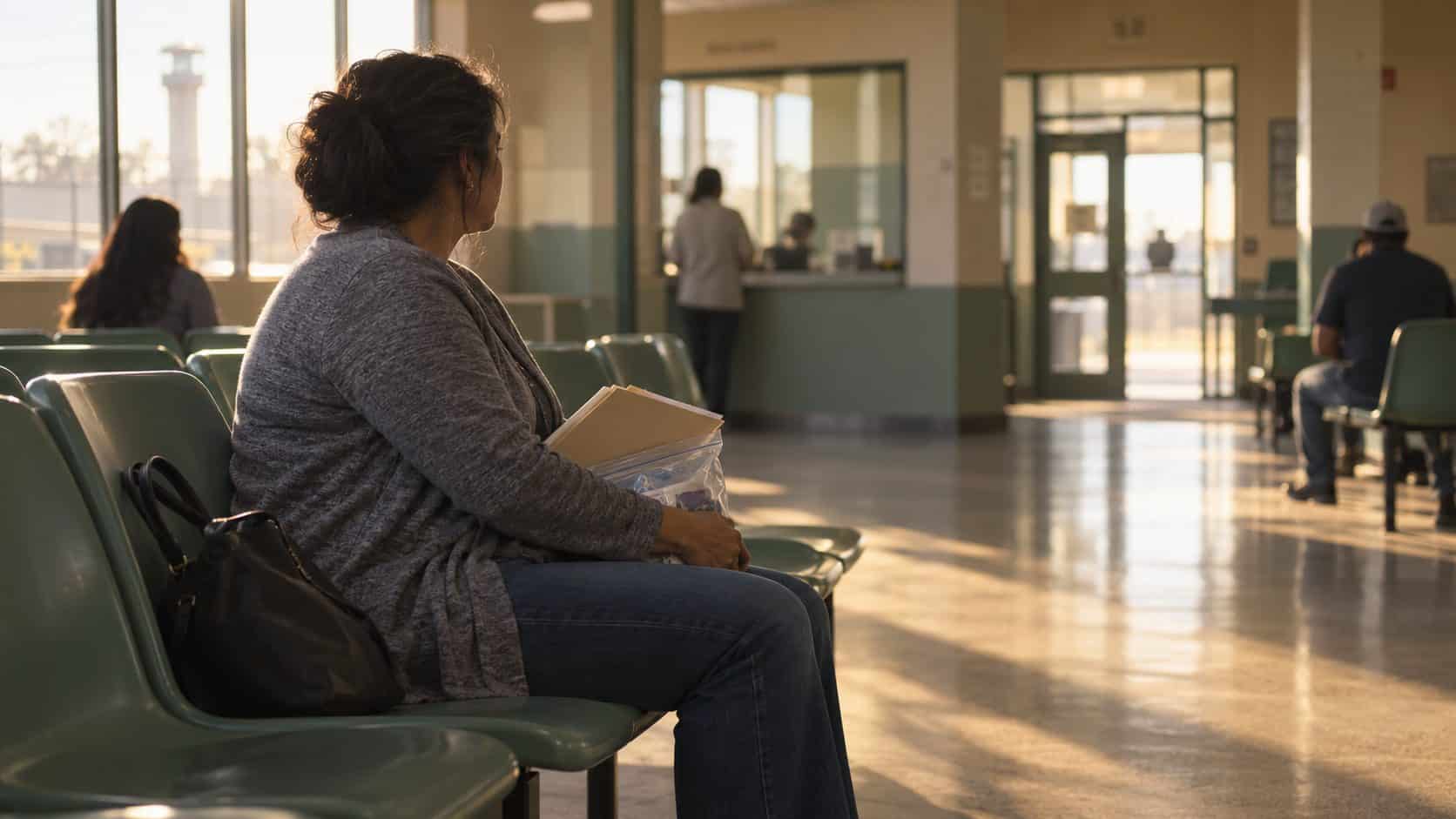
A practical Texas guide to locating an incarcerated loved one, getting approved to visit, sending money and mail, protecting medical care, raising a grievance, and planning for release.
Call 903.439.0000Free consultation
Nobody from the jail calls to explain how any of this works. You’re trying to find your person, get a message to them, make sure they’re getting their medication, and figure out what comes next. Usually all on the same afternoon. This guide puts those jobs in an order you can actually follow.
Family resources: Find family guides, facility directories, and support links in the Family Member Information Hub.
For the person outside: Read how to cope when someone you love is in jail for practical ways to manage daily responsibilities and find support.
The short answer
First, work out which custody system holds your loved one: a city or county jail, a Texas state prison run by TDCJ, or federal custody. The rules for finding, calling, visiting, and sending money are different in each one, and using the wrong agency’s instructions is the most common reason families waste a trip.
Then confirm the facility, booking or ID number, charges, court, and any medical need, get legal help if a case is still pending, and keep a written record of every call you make. Never discuss the facts of a pending case on a recorded jail or prison line.
If the arrest happened in the last few days, start with our companion guide, What Happens When a Family Member Is Arrested in Texas, which covers booking, magistration, and bond. This page picks up afterward, once someone is being held for a longer period or has been sent to prison.
Which system is your loved one in?
This distinction drives everything else, so settle it before you make another call.
City or county jail
Where nearly everyone goes first. Most people in a county jail have not been convicted. They may be waiting on a magistrate, a bond, a plea, a trial, sentencing, or transfer. County jails are run by the county sheriff, and each one sets its own phone, visitation, mail, property, and commissary rules.
Texas state prison (TDCJ)
The Texas Department of Criminal Justice runs the state prison system. People normally enter TDCJ custody after conviction and sentencing. Texas also operates “state jails,” which are part of the state system and are not county jails.
Federal custody
Before sentencing, people in federal cases are held by the U.S. Marshals Service, often in a local jail under contract. After sentencing they go to a Federal Bureau of Prisons institution. The rules, the lookup tools and the visiting process have nothing to do with the Texas versions.
Immigration detention
Immigration detention is a civil system of its own, with a separate locator and separate rules. Think there might be an immigration hold? Tell the defense lawyer right away. How the criminal case ends can affect immigration status.
Do not mix the rulebooks. TDCJ visitation instructions do not apply to someone sitting in a county jail, and a county inmate search will usually stop showing a person once they transfer to TDCJ. When someone “disappears” from a jail roster, a transfer is the most likely explanation.
How to find someone in custody
County jail
Start with the sheriff’s office in the county where the arrest happened and look for its official inmate roster or jail page. (If bond is the immediate question, our bail and bond guide walks through it.) If you cannot find a reliable online record, call the jail. The Sheriffs’ Association of Texas directory is the best statewide starting point for county contact information.
Have as much of this ready as you can:
- Full legal name, and any alternate spelling or former name
- Date of birth
- Approximate date and location of arrest
- The arresting agency
- Booking number, if you have it
Someone arrested a few hours ago may not show up online yet. Booking, prints, medical screening and typing it all in take time. Not listed? That doesn’t mean they’re out. Call back. Ask if they’re still being processed, or being held for another agency.
When a real person picks up, ask these and write down every answer:
- What’s the booking number?
- What charges are listed right now?
- Is there a bond on every charge?
- Is there a hold, warrant or detainer that would keep them in even after bond?
- Which court has the case? When’s the next setting?
- How do they ask for medical or mental-health care?
- When can calls and visits start, and how do I register as a visitor?
- What are the rules on money, mail, medication, clothes and property?
A booking page is not a legal determination. Charges get added, reduced, dismissed, or refiled. A person accused of a crime is presumed innocent unless and until the State proves guilt or the person enters a valid plea.
Texas state prison (TDCJ)
If your loved one has been transferred into the state system, use the official TDCJ Inmate Information Search. It can show the TDCJ number, current unit assignment, projected release information, conviction information, parole review information, and visitation eligibility.
Use the TDCJ number if you have it. Names get misspelled, and there may be six men in the system with your brother’s name.
Check the search again the day before you travel, then call the unit. People are transferred, held in intake, moved for medical care, or temporarily lose visitation eligibility. A screenshot from last week is not good enough for a four-hour drive.
Federal custody
Use the Federal Bureau of Prisons inmate locator. Read the BOP’s own note on what the locator does and does not cover before you conclude someone is not in federal custody. Someone awaiting trial in a federal case is frequently housed in a contracted county jail and may not appear the way you expect. The BOP contact directory lists institutions and offices.
Assume every call and message is recorded
This is the single most important warning in this guide.
Do not discuss the facts of a pending criminal case on a jail or prison phone call, video visit, tablet message, or social media account. TDCJ states plainly that calls are limited in length and that all calls except those to the attorney of record are recorded and subject to monitoring. County jails commonly record and monitor calls as well.
Do not ask
- “What really happened?”
- “Where did you put it?”
- “Who else was there?”
- “What should I tell the police?”
- “Can you get someone to change their story?”
- “Did you delete the messages?”
- “What did you say in the interview?”
Safe to discuss
- Health and how they are being treated
- Children and family news
- Bills that need a decision
- The lawyer’s name and contact details
- Commissary and mail logistics
- Encouragement and support
Stay away from witnesses, evidence, passwords, alleged victims, alibis, and possible defenses. Never contact a witness or alleged victim to pressure, persuade, coach, or influence them, and never delete evidence or ask anyone else to. Those acts can damage the original case badly and can create brand-new criminal charges for you.
Questions about the case belong in a confidential conversation between the accused and the defense lawyer.
If the case is still pending, counsel comes before visiting
While the case is still open, getting a qualified criminal defense lawyer matters more than booking the first visit. A lawyer may be able to:
- Pin down the actual charges and what they could really mean
- Find warrants, holds or detainers nobody mentioned
- Ask for a reasonable bond, or a lower one
- Stand between the accused and any questioning
- Save video, electronic records and physical evidence before they disappear
- Talk to witnesses while they still remember
- Explain the court dates and release conditions
- Start on the defense before the State wraps up its investigation
Give the lawyer accurate information, including the bad facts. Surprises hurt a defense; honest information lets an attorney evaluate the case and protect the client.
You can give the lawyer records and background about your relative. Receiving an update is a separate matter: the accused person is the client, so the lawyer needs to consider confidentiality and the client’s permission before sharing information with family.
Heath Hyde defends serious state and federal cases in East Texas. If a case is pending and you need to understand what your family is facing, call 903.439.0000 or request a free consultation.
Visiting someone in a county jail
Every county does visits its own way. One jail has in-person visits. The next one over is video only. A lot of them mix the two. Registration, ID rules, visitor lists, fees, dress codes and hours all change at the county line. Our county-jail family guide goes deeper on the weeks of jail time before any prison transfer.
Before leaving home, call with your relative’s name and booking number. Confirm that they are still housed there and eligible for a visit. Ask about registration, reservations and identification, especially if you are bringing children. Read the jail’s clothing and property rules while you can still change or leave items behind. Plan to arrive early enough for entrance processing.
What another family got away with last month tells you nothing. Rules change. So do schedules, lockdowns, staffing and vendors. Check the jail’s official site or ask staff.
Keep your voice down, even when you’re furious. A shouting match at the visitation desk won’t help the person inside. If you think staff got it wrong, write down the employee’s name, the written rule they cited, the supervisor’s name and how complaints are filed. File it later, from your kitchen table.
Visiting someone in a TDCJ prison
A TDCJ visit takes planning, and plenty of lead time. The rules below come from the agency’s General Information Guide for Families of Inmates (May 2026 edition) and its visitation pages. If something matters to your trip, call the unit and confirm it.
The approved visitors list
Every visitor 18 or older, other than the person’s attorney, must be on the approved Visitors List, which is limited to 10 individuals. Adults need a current government-issued ID. With only ten names on the list and one visit a week, the family has to coordinate. Two cousins can’t each just show up.
TDCJ describes a general visit as one visit every week, generally two adults for two hours. Kids under 18 don’t count toward the two adults, but an approved adult has to bring them. How many children get in depends on space and on whether the adult can keep an eye on them.
The rules can be different if the person is in intake, on disciplinary restriction, in restrictive housing, in a medical or mental-health unit, on death row or on lockdown. They also differ when the offense carries a restriction involving children. If any of that might apply, call the unit.
Scheduling your visit
All TDCJ facilities now use an advance scheduling system. No drop-ins. Book through the state’s online Visitation Portal. A handful of named units use the Securus website for registration instead, so read that unit’s current instructions first.
Get there early. TDCJ warns that visitors arriving more than 15 minutes past the scheduled visit time may not be allowed to visit at all. Rural units take longer to reach than your phone’s map says. And once you arrive there’s still parking, the ID check, the search and processing. Bad weather or a possible lockdown? Call before you start a long drive.
What to bring and what to leave in the car
You can take very little past security. Under current TDCJ guidance, a visitor may bring a small wallet or change purse holding no more than $35.00 in coins, plus one debit or credit card, for the vending machines in the visitation area.
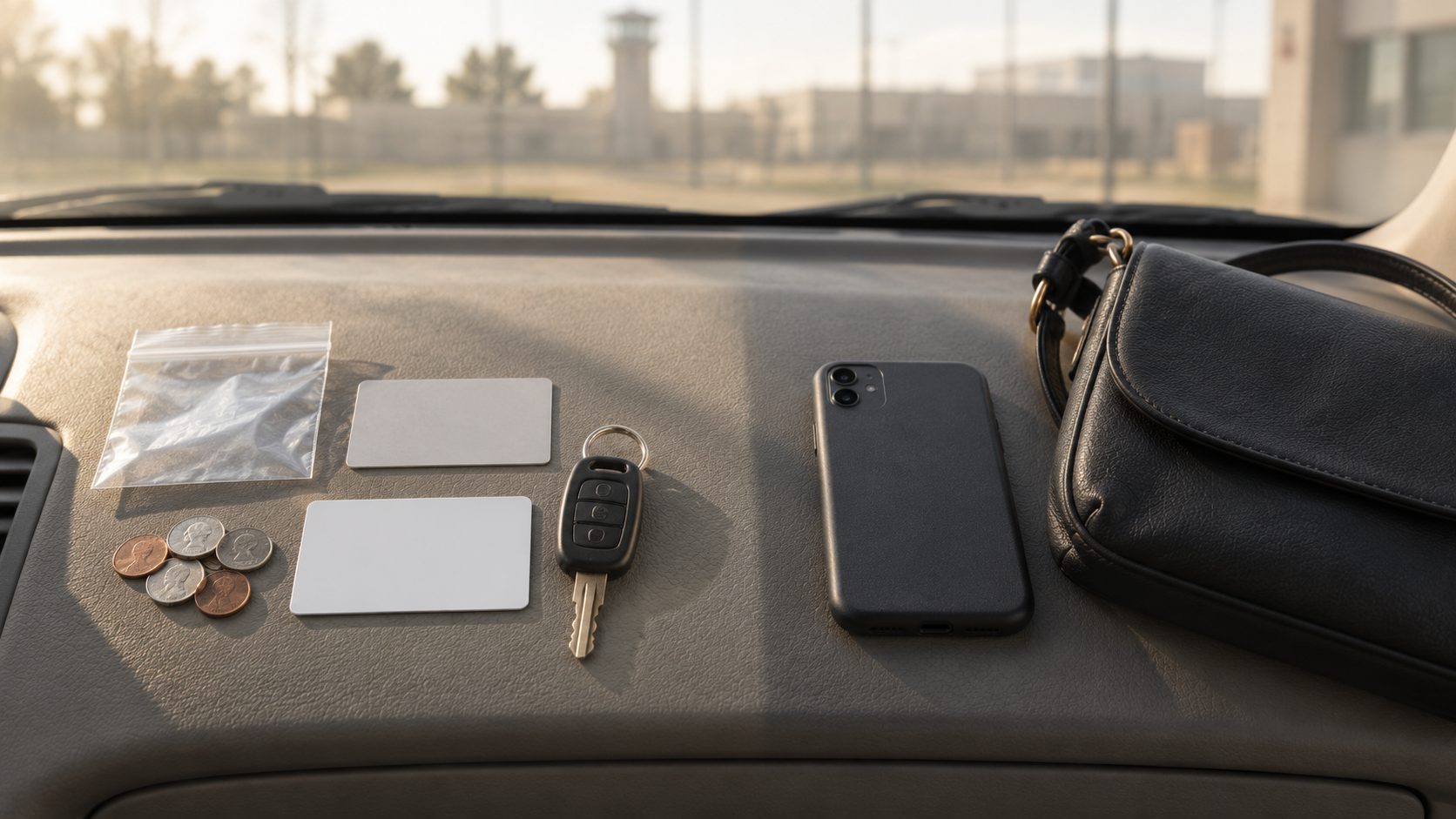
Carry no paper money. Cell phones, smartwatches, cameras, purses, tobacco, food, weapons, alcohol, and drugs are prohibited. All vehicles and visitors are subject to search on TDCJ property. Remove anything that could read as gang affiliation before you reach the grounds.
Dress plain. TDCJ has a dress code, and a see-through top or a short skirt can cost you the visit. Pack a backup outfit. If you think the officer read the rule wrong, change anyway, write it down, and ask for a review once you’re home.
Contact, special, and video visits
Contact visits. Limited physical contact may be allowed when the visitor is immediate family, which TDCJ defines to include a spouse, natural or adopted parents and stepparents, and other close relatives. With prior approval from unit administration, non-immediate family may be allowed a contact visit when immediate family cannot come. Because of the nature of some offenses, certain people cannot have contact visits with children under 18, and in some cases cannot have a regular visit with a child unless they are the legally recognized parent and the child is not the victim.
Special and extended visits. The warden or a designee may approve a special visit, contact or general, and extended visits longer than two hours exist as a category. Requests go to the warden or designee in writing, by telephone, or by email. Approval is never automatic and depends on staffing, time, and space, so get it confirmed before you make a long trip.
Remote video visitation. Eligible people can take part in remote video visits. Advance registration and approval are required, and availability depends on the facility and custody status.
One detail worth knowing: TDCJ allows visitors to have photographs taken with their loved one free of charge during the first full weekend of each month, two photographs per visit, emailed afterward.
Money, commissary, and mail
Look back at what you spent on calls and messages last month. Can you keep paying that amount along with rent, food and the other bills? Set a limit you can keep. Tell relatives who are helping what their share will cover, so everyone knows when the money for that month has run out.
Before you put money on an account:
- Match the recipient’s name and custody ID to the facility record.
- Get the payment link from the facility’s own website; use only its approved service.
- Check what the transfer costs and whether unused money can be refunded.
- Save the confirmation and receipt with your account records.
- An unfamiliar caller claiming a debt is not a reason to send money.
- “Pay or he gets hurt” is a scam. Report it.
For TDCJ accounts, use the agency’s Commissary and Trust Fund page for current deposit methods, or call the Inmate Trust Fund at 936-438-8990. The agency’s own guidance makes two points worth knowing: a person may spend up to $105.00 on commissary every two weeks, though custody status can lower that, and single deposits of $500 or more, along with insurance, payroll, estate, and county jail checks, are held for a minimum of 14 days. Plan for that wait.
Never act on payment instructions from an unknown caller, a social media message, or an unofficial “inmate services” website. Scammers go after families of people in custody all the time. Check every way of paying against the agency’s own website.
Mail gets bounced for small mistakes. Use the right name, ID number, unit and official mailing address. Before you send photos, books, magazines, cards or a child’s drawing, check the current restrictions. TDCJ publishes a separate book policy, and its contacting inmates page covers mail, phone, tablets, and electronic messaging.
Medical and mental-health needs
Diabetes, epilepsy, heart trouble, serious mental illness, withdrawal, pregnancy, a disability: any of these is urgent. Don’t wait for visiting day.
Grab one sheet of paper. Diagnosis. Each medication and dose. Doctor and pharmacy. Last dose taken. Allergies. Hospital stays. Any past suicide attempt or self-harm. What’s happening right now.
Ask the facility where to send the medication and health summary. The medical department or supervising staff can tell you which delivery method they accept and how the person in custody can authorize release of medical information. Keep a copy of what you send, with the recipient’s name and the date.
If someone tells you your loved one is suicidal, in immediate danger, without essential medication, or having a serious medical emergency, do not wait. Pick up the phone and tell jail or prison officials. Ask them to do a welfare check. Then note the name of the person you told and the time you called.
Privacy rules may limit what staff can disclose to you without authorization, but that does not stop you from giving them important medical information. For county jails specifically, the Texas Jail Project assists some families dealing with medical and mental-health crises, disability, pregnancy, medical-record releases, and reports of medical neglect.
Grievances and civil-rights concerns
An annoying rule is one thing. A real threat to someone’s health, safety or legal rights is another. Either way, facts get further than anger. Write down who was involved and what happened. Note the date, time and place, any witnesses, injuries or medical effects, what you asked for and what you were told. Keep grievance numbers and a copy of every form and decision.
The person inside usually has to go through the facility’s own grievance process first, and the deadlines can be short. The ACLU of Texas Civil Rights Resource Guide for Incarcerated Texans explains medical and mental-health requests, disability accommodations, grievances, civil-rights litigation, and legal-aid resources.
These TDCJ contacts are published in the agency’s May 2026 family guide:
Official TDCJ family and oversight contacts
| Office | What it handles | Contact |
|---|---|---|
| Office of Family Services | Liaison between families and the agency | 936-437-6360 or 936-437-6725 ofs@tdcj.texas.gov |
| Office of the Independent Ombudsman | Independent review of treatment and conditions | 936-437-5620 Toll free 833-598-2700 io@tdcj.texas.gov |
| PREA Ombudsman | Reports of sexual abuse or sexual harassment | 936-437-5570 prea.ombudsman@tdcj.texas.gov |
| Inmate Trust Fund | Deposits and account questions | 936-438-8990 |
For county jails, complaints about jail conditions or standards go to the Texas Commission on Jail Standards, which regulates county facilities.
Contact points and procedures change. Verify them on the agency’s official site before you rely on them.
Child support does not pause automatically
Incarceration does not suspend a Texas child-support order. If nothing is done, unpaid support and interest can keep building the entire time.
The Office of the Attorney General states directly that a parent’s obligation to pay does not automatically stop when they are incarcerated, and that the only way to change the ordered amount is to ask the court to change the order. A parent with a case can request a “review and adjustment” by completing the Inquiry Form for Incarcerated Parents, which the agency says can be made available inside the facility. The OAG also advises that a parent incarcerated for more than 180 days may qualify for a modification of the monthly obligation.
A parent can authorize a trusted person to act as a liaison by completing the Authorization for Release of Information or Payment form, which lets that person receive case information or payments on the parent’s behalf.
The Child Support Division is clear about its limits as well. It cannot change custody, enforce visitation, provide the address of the children or the other parent, or act as the parent’s private attorney. Those issues need separate legal action.
Full details are on the OAG’s Incarcerated Parents page. Deal with this early. Waiting until release can turn a manageable problem into a very large one.
Support for the family outside
Families often believe every ounce of attention belongs to the person inside. Meanwhile the person outside may be raising children alone, losing income, paying legal fees, accepting expensive calls, driving hundreds of miles, and holding a household together.
Split up the jobs before one relative ends up doing all of them. Someone can keep track of visits while another handles the bills or speaks with the lawyer. Agree on what you can afford, including the money requested from inside. Decide together how to explain the situation to the children. Leave room to ask the main caregiver what would help them this week; the answer may be a school pickup or an afternoon off.
Keep adult messages between adults. Children need an explanation they can understand, without a made-up story or a promised release date that nobody can confirm. A child may miss a parent and also feel angry with them. Let them say that. Fear, embarrassment or sadness does not mean they no longer love the parent in custody.
The Texas Incarcerated Families Association offers education, advocacy, parole preparation, reentry information, and connection with families in the same position. The State Law Library’s Resources for Families of Inmates gathers legal information on visitation and mail, family-law problems, money, criminal records, grievances, and parole. The Northern District of Texas ongoing-support page lists resources for spouses, parents, children, financial hardship, mentoring, and reentry; it is tied to the federal probation system, but much of it helps families dealing with state incarceration too.
Reentry and parole planning start early

Release planning should not begin the week before somebody comes home. Start it months ahead, and work through the practical questions:
- Where will they live, and will supervision rules allow that address?
- Do they have a birth certificate, a Social Security card and a state ID?
- Which prescriptions and doctor visits are needed the first week?
- How will they get around?
- Is treatment required?
- What kind of job is realistic in the first ninety days?
- Any child-support, driver’s-license or warrant problems waiting?
- Which relatives are good for them, and which people or places could pull them back?
For someone eligible for parole, start with what would happen after release. Where would they live? Who could drive them to treatment or work? Put the answers alongside records of their progress and plans for meeting their responsibilities. The Texas Defender Service parole resource has a packet guide, planning tool, worksheets and educational videos. It also explains how to request pro bono parole help.
Parole is never automatic and no packet can guarantee it. Good preparation simply gives decision-makers something more useful than a vague assurance that the family “will help.”
Texas facility directory
The tables below list adult TDCJ units and Federal Bureau of Prisons institutions in Texas. Every telephone number here has been checked against a primary source: TDCJ units against the agency’s May 2026 General Information Guide for Families of Inmates, and federal institutions against the Bureau of Prisons’ published location data.
Call before traveling. Housing assignments, intake locations, visitation eligibility, addresses, and telephone routing change without notice. Confirm the person’s current unit through the TDCJ Inmate Information Search first, then call the unit to confirm the visitation location.
Texas Department of Criminal Justice units
TDCJ adult units, region, address, and main telephone number
| Unit | County / Region | Address | Main phone |
|---|---|---|---|
| Allred | Wichita / V | 2101 FM 369 North; Iowa Park, TX 76367 | (940) 855-7477 |
| Bartlett | Williamson / IV | 1018 Arnold Drive; Bartlett, TX 76511 | (254) 527-3300 |
| Baten | Gray / V | 1995 Helton Road; Pampa, TX 79065 | (806) 665-7070 |
| Bell | Liberty / III | PO Box 1678; 901 East Fifth Street; Cleveland, TX 77328 | (281) 592-9559 |
| Beto | Anderson / II | 1391 FM 3328, Tennessee Colony, TX 75880 | (903) 928-2217 |
| Boyd | Freestone / I | 200 Spur 113; Teague, TX 75860-2007 | (254) 739-5555 |
| Bradshaw | Rusk / II | PO Box 9000; 3900 West Loop 571 North; Henderson, TX 75653 | (903) 655-0880 |
| Bridgeport | Wise / V | 4000 North 10th Street; Bridgeport, TX 76426 | (940) 683-3010 |
| Briscoe | Frio / IV | 1459 West Highway 85; Dilley, TX 78017-4601 | (830) 965-4444 |
| Byrd | Walker / I | 21 FM 247; Huntsville, TX 77320 | (936) 295-5768 |
| Chase Field Work Camp | / | 4304 Highway 202; Beeville, TX 78102-8981 | (361) 358-9880 |
| Clemens | Brazoria / III | 11034 Hwy 36; Brazoria, TX 77422 | (979) 798-2188 |
| Clements | Potter / V | 9601 Spur 591; Amarillo, TX 79107-9606 | (806) 381-7080 |
| Coffield | Anderson / II | 2661 FM 2054; Tennessee Colony, TX 75884 | (903) 928-2211 |
| Cole | Fannin / II | 3801 Silo Road; Bonham, TX 75418 | (903) 583-1100 |
| Coleman | Caldwell / VI | 1400 Industrial Boulevard; Lockhart, TX 78644 | (512) 398-3480 |
| Connally | Karnes / IV | 899 FM 632; Kenedy, TX 78119 | (830) 583-4003 |
| Cotulla | La Salle / IV | 610 FM 624; Cotulla, TX 78014 | (830) 879-3077 |
| Crain | Coryell / VI | 1401 State School Road; Gatesville, TX 76528 | (254) 865-8431 |
| Dalby | Garza / V | 805 N Avenue F; Post, TX 79356 | (806) 990-2175 |
| Dalhart | Hartley / V | 11950 FM 998; Dalhart, TX 79022 | (806) 249-8655 |
| Daniel | Scurry / V | 938 South FM 1673; Snyder, TX 79549 | (325) 573-1114 |
| Diboll | Angelina / I | 1604 South First Street; Diboll, TX 75941 | (936) 829-2295 |
| Dominguez | Bexar / IV | 6535 Cagnon Road; San Antonio, TX 78252-2202 | (210) 675-6620 |
| Duncan | Angelina / I | 1502 South First St.; Diboll, TX 75941 | (936) 829-2616 |
| East Texas Treatment Facility | Rusk / VI | 900 Industrial Drive; Henderson, TX 75652 | (903) 655-3300 |
| Ellis | Walker / I | 1697 FM 980; Huntsville, TX 77343 | (936) 295-5756 |
| Estelle | Walker / I | 264 FM 3478; Huntsville, TX 77320-3320 | (936) 291-4200 |
| Estes | Johnson / II | 1100 Highway 1807, Venus, TX 76084 | (972) 366-3334 |
| Ferguson | Madison / I | 12120 Savage Drive; Midway, TX 75852-3654 | (936) 348-3751 |
| Formby | Hale / V | 998 County Road AA; Plainview, TX 79072-9641 | (806) 296-2448 |
| Fort Stockton | Pecos / IV | 1536 IH-10 East; Fort Stockton, TX 79735 | (432) 336-7676 |
| Garza East | Bee / IV | 4304 Highway 202; Beeville, TX 78102 | (361) 358-9880 |
| Garza West | Bee / IV | 4250 Highway 202; Beeville, TX 78102-8982 | (361) 358-9890 |
| Gist | Jefferson / III | 3295 FM 3514; Beaumont, TX 77705 | (409) 727-8400 |
| Glossbrenner | Duvall / IV | 5100 South FM 1329; San Diego, TX 78384 | (361) 279-2705 |
| Goodman | Jasper / I | 349 Private Road 8430; Jasper, TX 75951 | (409) 383-0012 |
| Goree | Walker / I | 7405 Highway 75 South; Huntsville, TX 77344 | (936) 295-6331 |
| Gurney | Anderson / II | 1385 FM 3328; Palestine, TX 75803 | (903) 928-3118 |
| Halbert | Burnet / VI | 800 Ellen Halbert Drive; Burnet, TX 78611 | (512) 756-6171 |
| Hamilton | Brazos / I | 200 Lee Morrison Lane; Bryan, TX 77807 | (979) 779-1633 |
| Havins | Brown / V | 500 FM 45 East; Brownwood, TX 76801 | (325) 643-5575 |
| Henley | Liberty / VI | 7581 Highway 321; Dayton, TX 77535 | (936) 258-2476 |
| Hightower | Liberty / III | 902 FM 686; Dayton, TX 77535 | (936) 258-8013 |
| Hilltop | Coryell / VI | 1500 State School Road; Gatesville, TX 76598-2996 | (254) 865-8901 |
| Hobby | Falls / VI | 742 FM 712; Marlin, TX 76661-4685 | (254) 883-5561 |
| Hodge | Cherokee / II | 379 FM 2972 West; Rusk, TX 75785 | (903) 683-5781 |
| Holliday | Walker / I | 295 IH-45 North; Huntsville, TX 77320-8443 | (936) 295-8200 |
| Hospital Galveston | Galveston / III | PO Box 48, Substation #1; 809 Harborside Drive; Galveston, TX 77555 | (409) 772-2875 |
| Hughes | Coryell / II | Rt. 2 Box 4400; Gatesville, TX 76597 | (254) 865-6663 |
| Huntsville | Walker / I | 815 12th Street; Huntsville, TX 77348 | (936) 437-1555 |
| Hutchins | Dallas / II | 1500 East Langdon Road; Dallas, TX 75241 | (972) 225-1304 |
| Jester III | Fort Bend / III | 3 Jester Road; Richmond, TX 77406 | (281) 277-7000 |
| Johnston | Wood / II | 703 Airport Road; Winnsboro, TX 75494 | (903) 342-6166 |
| Jordan | Gray / V | 1992 Helton Road; Pampa, TX 79065 | (806) 665-7070 |
| Kegans | Harris / III | 707 Top Street; Houston, TX 77002 | (713) 224-6584 |
| Kyle | Hays / IV | 23001 IH-35; Kyle, TX 78640 | (512) 268-0079 |
| LeBlanc | Jefferson / III | 3695 FM 3514; Beaumont, TX 77705 | (409) 724-1515 |
| Lewis | Tyler / I | 777 FM 3497; Woodville, TX 75990 | (409) 283-8181 |
| Lindsey | Jack / V | 1620 FM 3344; Jacksboro, TX 76458 | (940) 567-2272 |
| Lopez | Hidalgo / IV | 1203 El Cibolo Road; Edinburg, TX 78542 | (956) 316-3810 |
| Luther | Grimes / I | 1800 Luther Drive; Navasota, TX 77868 | (936) 825-7547 |
| Lychner | Harris / III | 2350 Atascocita Road; Humble, TX 77396 | (281) 454-5036 |
| Lynaugh | Pecos / IV | 1098 South Highway 2037; Fort Stockton, TX 79735 | (432) 395-2938 |
| Marlin | Falls / VI | 2893 State Highway 6; Marlin, TX 76661-6588 | (254) 883-3858 |
| McConnell | Bee / IV | 3001 South Emily Drive; Beeville, TX 78102 | (361) 362-2300 |
| Mechler | Swisher / V | 4000 Hwy 86 West; Tulia, TX 79088 | (806) 995-4109 |
| Memorial | Brazoria / III | 59 Darrington Road; Rosharon, TX 77583 | (281) 595-3465 |
| Michael | Anderson / II | 2664 FM 2054; Tennessee Colony, TX 75886 | (903) 928-2311 |
| Middleton | Jones / V | 13055 FM 3522; Abilene, TX 79601 | (325) 548-9075 |
| Montford | Lubbock / V | 8602 Peach Street; Lubbock, TX 79404 | (806) 745-1021 |
| Moore, B. | Rusk / II | 8500 North FM 3053; Overton, TX 75684 | (903) 834-6186 |
| Moore, C. | Fannin / II | 1700 North FM 87; Bonham, TX 75418 | (903) 583-4464 |
| Murray | Coryell / VI | 1916 North Hwy. 36 Bypass; Gatesville, TX 76596 | (254) 865-2000 |
| Ney | Medina / IV | 114 Private Road 4303; Hondo, TX 78861-3812 | (830) 426-8030 |
| O'Daniel | Coryell / VI | 2305 Ransom Road; Gatesville, TX 76528 | (254) 865-7226 |
| Pack | Grimes / I | 2400 Wallace Pack Road; Navasota, TX 77868 | (936) 825-3728 |
| Plane | Liberty / VI | 904 FM 686; Dayton, TX 77535 | (936) 258-2476 |
| Polunsky | Polk / I | 3872 FM 350 South; Livingston, TX 77351 | (936) 967-8082 |
| Powledge | Anderson / II | 1400 FM 3452; Palestine, TX 75803 | (903) 723-5074 |
| Ramsey | Brazoria / III | 1100 FM 655; Rosharon, TX 77583 | (281) 595-3491 |
| Roach | Childress / V | 15845 FM 164; Childress, TX 79201 | (940) 937-6364 |
| Robertson | Jones / V | 12071 FM 3522; Abilene, TX 79601 | (325) 548-9035 |
| San Saba | San Saba / IV | 206 South Wallace Creek Road; San Saba, TX 76877 | (325) 372-4255 |
| Sanchez | El Paso / IV | 3901 State Jail Road; El Paso, TX 79938-8456 | (915) 856-0046 |
| Santa Maria Baby Bonding | / | 904 FM 686; Dayton, TX 77535 | (936) 258-2476 |
| Sayle | Stephens / V | 4176 FM 1800; Breckenridge, TX 76424-7301 | (254) 559-1581 |
| Scott | Fort Bend / III | 4 Jester Road; Richmond, TX 77406 | (281) 277-3700 |
| Segovia | Hidalgo / IV | 1201 East El Cibolo Road; Edinburg, TX 78542 | (956) 316-2400 |
| Skyview | Cherokee / II | 379 FM 2972 West; Rusk, TX 75785 | (903) 683-5781 |
| Smith | Dawson / V | 1313 County Road 19; Lamesa, TX 79331-1898 | (806) 872-6741 |
| Stevenson | DeWitt / III | 1525 FM 766; Cuero, TX 77954 | (361) 275-2075 |
| Stiles | Jefferson / III | 3060 FM 3514; Beaumont, TX 77705 | (409) 722-5255 |
| Stringfellow | Brazoria / III | 1200 FM 655; Rosharon, TX 77583 | (281) 595-3413 |
| Telford | Bowie / II | 3899 Hwy 98; New Boston, TX 75570 | (903) 628-3171 |
| Terrell | Brazoria / III | 1300 FM 655; Rosharon, TX 77583 | (281) 595-3481 |
| Torres | Medina / IV | 125 Private Road 4303; Hondo, TX 78861 | (830) 426-5325 |
| Travis | Travis / IV | 8101 FM 969; Austin, TX 78724 | (512) 926-4482 |
| Vance | Fort Bend / III | 2 Jester Road; Richmond, TX 77406 | (281) 277-3030 |
| Wainwright | Houston / I | 2665 Prison Road #1; Lovelady, TX 75851 | (936) 636-7321 |
| Wallace | Mitchell / V | 1675 South FM 3525; Colorado City, TX 79512 | (325) 728-2162 |
| West Texas Hospital | / | 8602 Peach Street; Lubbock, TX 79404 | (806) 745-1021 |
| Wheeler | Hale / V | 986 County Road AA; Plainview, TX 79072-9682 | (806) 293-1081 |
| Willacy | Willacy / IV | 1695 South Buffalo Drive; Raymondville, TX 78580 | (956) 689-4900 |
| Woodman | Coryell / VI | 1210 Coryell City Road; Gatesville, TX 76528 | (254) 865-9398 |
| Wynne | Walker / I | 810 FM 2821; Huntsville, TX 77349 | (936) 295-9126 |
| Young | Galveston / III | 5509 Attwater Ave.; Dickinson, TX 77539 | (409) 948-0001 |
The current official list is maintained on the TDCJ unit directory.
County jails: all 254 Texas counties
Texas counties control and frequently change their own housing-building names, intake points, and visitation locations, and large counties may run more than one building. Rather than reprint contact numbers we cannot verify against a primary source, we point you to the official statewide directories, which are the reliable starting point for confirming the exact facility:
- Sheriffs’ Association of Texas directory — official sheriff contacts for all 254 counties
- Texas Commission on Jail Standards — the state regulator for county jails, including complaints and inspection reports
When you call, ask staff to confirm which building holds the person and where visitation actually takes place.
Federal Bureau of Prisons institutions in Texas
BOP institutions located in Texas. Excludes immigration detention, contracted local jails, and residential reentry offices.
| Institution | Type | Address | Main phone |
|---|---|---|---|
| Bastrop FCI | Federal Correctional Institution | 1341 Highway 95 North, Bastrop, TX 78602 | (512) 321-3903 |
| Beaumont Low FCI | Federal Correctional Institution | 5560 Knauth Road, Beaumont, TX 77705 | (409) 727-8172 |
| Beaumont Med FCI | Federal Correctional Institution | 5830 Knauth Road, Beaumont, TX 77705 | (409) 727-0101 |
| Beaumont USP | U.S. Penitentiary | 6200 Knauth Road, Beaumont, TX 77705 | (409) 727-8188 |
| Big Spring FCI | Federal Correctional Institution | 1900 Simler Ave, Big Spring, TX 79720 | (432) 466-2300 |
| Bryan FPC | Federal Prison Camp | 1100 Ursuline Avenue, Bryan, TX 77803 | (979) 823-1879 |
| Carswell FMC | Federal Medical Center | Naval Air Station, 1200 Meandering Road, Fort Worth, TX 76114 | (817) 782-4000 |
| Fort Worth Administrative FMC | Federal Medical Center | 3150 Horton Road, Fort Worth, TX 76119 | (817) 534-8400 |
| Houston FDC | Federal Detention Center | 1200 Texas Avenue, Houston, TX 77002 | (713) 221-5400 |
| La Tuna FCI | Federal Correctional Institution | La Tuna Fci/Scp, 8500 Doniphan Road, Anthony, TX 79821 | (915) 791-9000 |
| Seagoville FCI | Federal Correctional Institution | 2113 North Hwy 175, Seagoville, TX 75159 | (972) 287-2911 |
| Texarkana FCI | Federal Correctional Institution | 4001 Leopard Drive, Texarkana, TX 75501 | (903) 838-4587 |
| Three Rivers FCI | Federal Correctional Institution | Us Highway 72 West, Three Rivers, TX 78071 | (361) 786-3576 |
Family checklists
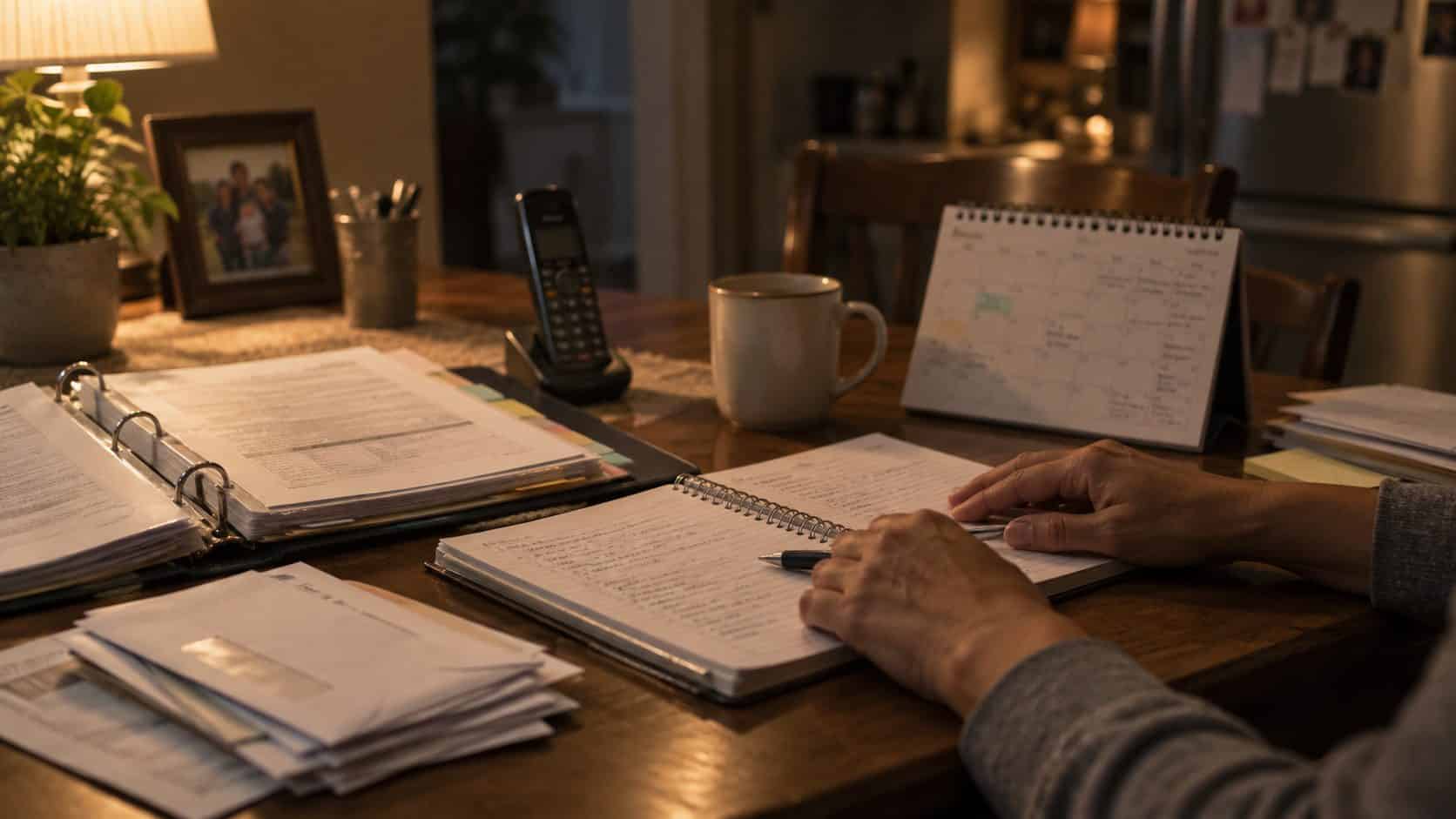
First 24 to 72 hours
- Find them. Write down the booking number.
- Get every charge and every bond amount
- Ask about holds or detainers
- Which court? When’s the next date?
- Call a qualified defense lawyer
- Tell the jail about urgent medical or mental-health needs
- No case talk on recorded calls
- Stay away from alleged victims and witnesses
First week
- Learn that facility’s rules on visits, phones, mail and money
- Agree on a family budget
- Put legal and personal papers in one folder
- Pick one relative to deal with the lawyer
- Sort out who has the kids and anyone else who depends on them
- Rent, utilities, insurance, the car, their job, the pets
- Look at any child-support order
- Start a log of every call and letter
If the person enters TDCJ
- Write down the TDCJ number somewhere safe
- Find out which unit they’re assigned to
- Get on the approved visitors list
- Set up the visitation scheduling account
- Read every visitation rule, not just the summary
- Call the unit before each trip
- Learn how grievances and medical requests work there
- Ask about classes, treatment, parole and reentry programs
Frequently asked questions
How soon can I visit someone who was just arrested?
That depends on the jail. Usually booking has to be finished and the person assigned to housing first. Some jails want you registered in advance; some only do video. Call, or check the jail’s official site.
Why can’t I find my loved one in the TDCJ search?
A newly arrested person is usually in city or county custody, not TDCJ, and someone awaiting transfer can remain in a county jail for a long time. Search the county system first.
Do I need to schedule a TDCJ visit in advance?
Yes. All TDCJ facilities now use an advance scheduling system, and some units require registration through Securus. Check the unit’s current instructions before you book.
How much money can I bring into a TDCJ visit?
Up to $35.00 in coins, plus one debit or credit card, for the vending machines. Carry no paper money.
Can I bring medication to the jail?
Don’t count on it. Call the medical staff, ask what the approved process is, and give them the prescribing doctor and pharmacy. If the medication is urgent, ask today and write down who you spoke to.
Can jail staff tell me about my loved one’s medical condition?
Privacy rules may limit what they can disclose without authorization. You can still give staff important medical information, and you can ask how your loved one signs a medical release.
Are jail and prison calls recorded?
Assume yes. TDCJ says every call is recorded and can be monitored, except calls to the attorney of record. Counties set their own policies. Treat a county call the same way unless the defense lawyer tells you a specific line is confidential.
Can children visit a parent in TDCJ?
Usually. How old is the child, and who is bringing them? Are they on the visitors list? Is the parent eligible for visits, and does the offense carry any restriction? Call the unit and check before the trip.
What if I have to travel a long way?
Ask the unit’s warden or designee about a special or extended visit well in advance, in writing, by phone, or by email. Approval is not automatic and depends on staffing, time, and space, so never travel on an unconfirmed request.
Can the Attorney General stop child support while someone is incarcerated?
Not on its own. The support keeps running until a court changes the order. The parent can ask for a review and adjustment. According to the OAG, someone locked up for more than 180 days may qualify for a modification.
Who can help if my loved one is not receiving necessary medical care?
Begin with the facility’s own medical and administrative process. In a county jail emergency, the Texas Jail Project may be able to help. For TDCJ, there’s the Office of Family Services, the Independent Ombudsman, the ACLU guide, and a qualified attorney when the situation calls for one.
Full resource library for Texas families
Every link below was checked and was working when this guide was updated.
Finding someone in custody
- TDCJ Inmate Information Search — Texas state prison lookup
- Sheriffs’ Association of Texas Directory — county sheriff and jail contacts
- Federal Bureau of Prisons Inmate Locator
- BOP locator coverage and limitations
- BOP Contact Directory
- TDCJ Unit Directory
Visitation, contact, money, and mail
- TDCJ General Information Guide for Families of Inmates (PDF) — the single most useful official document for families
- TDCJ Visitation
- TDCJ Online Visitation Portal
- TDCJ: Contacting Inmates — mail, phone, tablets, e-messaging
- TDCJ Commissary and Inmate Trust Fund — official deposit methods
- TDCJ Book Policy
- TDCJ Population Types
- TDCJ Families hub
Rights, grievances, and oversight
- ACLU of Texas Civil Rights Resource Guide for Incarcerated Texans
- TDCJ Office of Family Services
- Texas Commission on Jail Standards: Complaints and Inquiries
- Texas Commission on Jail Standards
- Texas Jail Project — county jail medical, mental-health, pregnancy, and neglect concerns
Family support, child support, and reentry
- Texas Incarcerated Families Association
- Texas State Law Library: Resources for Families of Inmates
- Northern District of Texas: Ongoing Support
- Texas OAG: Incarcerated Parents
- Texas Defender Service parole and reentry resource
- Texas Defender Service
Courts and statutes
- Texas Judicial Branch: Trial Courts
- U.S. District Court, Eastern District of Texas
- Texas Code of Criminal Procedure, Article 15.17 — magistration
- Texas Code of Criminal Procedure, Article 17.15 — bond
Related guides on this site
- What Happens When a Family Member Is Arrested in Texas — the first 72 hours, booking, magistration, and bond
- East Texas Criminal Defense and Murder Trial Knowledge Hub
Sources
- Texas Department of Criminal Justice, General Information Guide for Families of Inmates, Executive Affairs, May 2026. Source for the 10-person visitors list, weekly two-adult two-hour general visit, advance scheduling, the $35.00 coin limit and one payment card, the 15-minute late rule, recorded-call policy, contact and special visit rules, the $105 biweekly commissary limit, the 14-day hold on deposits of $500 or more, monthly visitation photographs, and the agency contact numbers listed above.
- Texas Department of Criminal Justice, Visitation and Visitation Portal.
- Texas Department of Criminal Justice, Commissary and Inmate Trust Fund.
- Office of the Attorney General of Texas, Incarcerated Parents. Source for the statements that support does not automatically stop, that only a court can change the order, the review-and-adjustment process, the 180-day guidance, and the authorization and inquiry forms.
- Federal Bureau of Prisons, Inmate Locator and Contact Directory. Source for the Texas institution table.
- Sheriffs’ Association of Texas, Sheriff Directory.
- Texas Commission on Jail Standards, agency site and complaints and inquiries.
- ACLU of Texas, Civil Rights Resource Guide for Incarcerated Texans.
Talk to Heath Hyde
If a criminal case is still pending, the most useful thing you can do today is get accurate information about what your family is actually facing. Heath Hyde defends serious state and federal charges in East Texas.
This article provides general educational information about Texas and federal correctional procedures. It is not legal advice, and it does not create an attorney-client relationship. Jail and prison policies change, and individual circumstances differ. Confirm current rules directly with the facility, and consult a qualified attorney about a specific criminal case, parole matter, civil-rights problem, or family-law issue.