
How Are Bloodstain Pattern Opinions Evaluated?
Stains on a wall can show some things about how blood landed. They can’t tell the whole story of a fight.
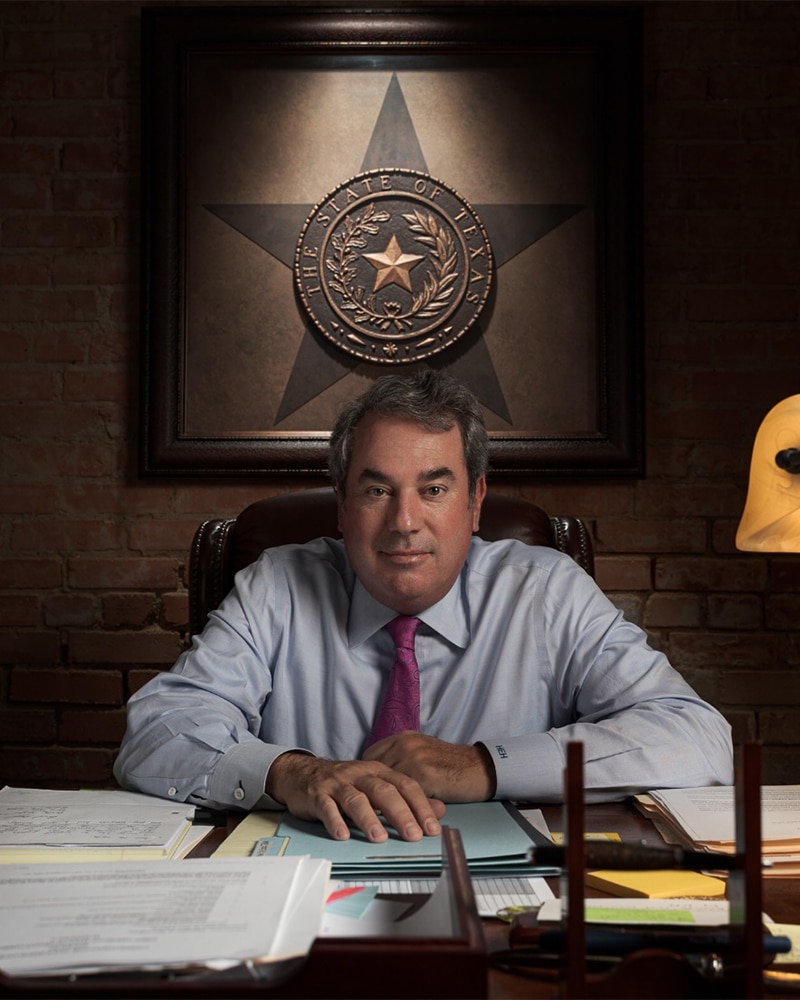
Mr. Heath Enix 'Heath' Hyde
Attorney at Law · Eligible to Practice in Texas
Bar Card Number: 00796807
TX License Date: 11/01/1996
Primary Practice Location: Sulphur Springs, TX and Dallas, TX
Office Address: 214 Connally St Ste A
Sulphur Spgs, TX 75482-2612
Return to the Texas Murder Trial Defense Knowledge Hub
Short answer
Bloodstains can show the size and angle of the drops, and that part rests on physics. A claim about who stood where may not. So your lawyer starts with the photos and the analyst’s notes, separates the two, and challenges the leap.
Here’s how that works against four lines you might hear from the State.
| What the State may say | What the defense checks |
|---|---|
| “The spatter shows he was standing over her.” | A position, or only a general area? |
| “Blood on his shirt proves he was there during the beating.” | Could contact after the event explain it? |
| “The blood was cleaned up.” | The presumptive test, and whether anything confirmed blood |
| “Our analyst has done this for twenty years.” | A method the analyst can explain and support |
Experience doesn’t replace a method the analyst can explain and support.
What can bloodstain pattern analysis show?
A 2009 National Research Council report found that science supports some parts of bloodstain analysis better than others.
| Type of conclusion | What the report said |
|---|---|
| Whether blood spattered quickly or slowly | Scientific studies support this kind of conclusion. |
| How a complex event unfolded | Some experts extrapolate far beyond what the science supports. |
| Patterns from gunshot wounds in soft tissue | These patterns are highly variable. |
| Overall reliability of opinions | Analysts’ opinions are more subjective than scientific, and the uncertainties are enormous. |
So the first question is which kind of conclusion the State’s analyst is offering. A speed finding stands on firmer ground than a story about the whole fight.
The same report flagged problems with training and process:
- The IAI’s bloodstain certification has no educational requirement. Your lawyer can ask about the analyst’s science background, not just hours of training.
- Many requests come from one side with targeted questions. That setup can create context bias, so the defense asks what the analyst was told first.
- Overlapping patterns can be harder to read than they look. A single photo may not show which stain came first.
What records should the defense get?
A bloodstain opinion is only as good as the documentation behind it. Your lawyer’s request should cover each of these:
- Every scene photo, with scales and the photo log
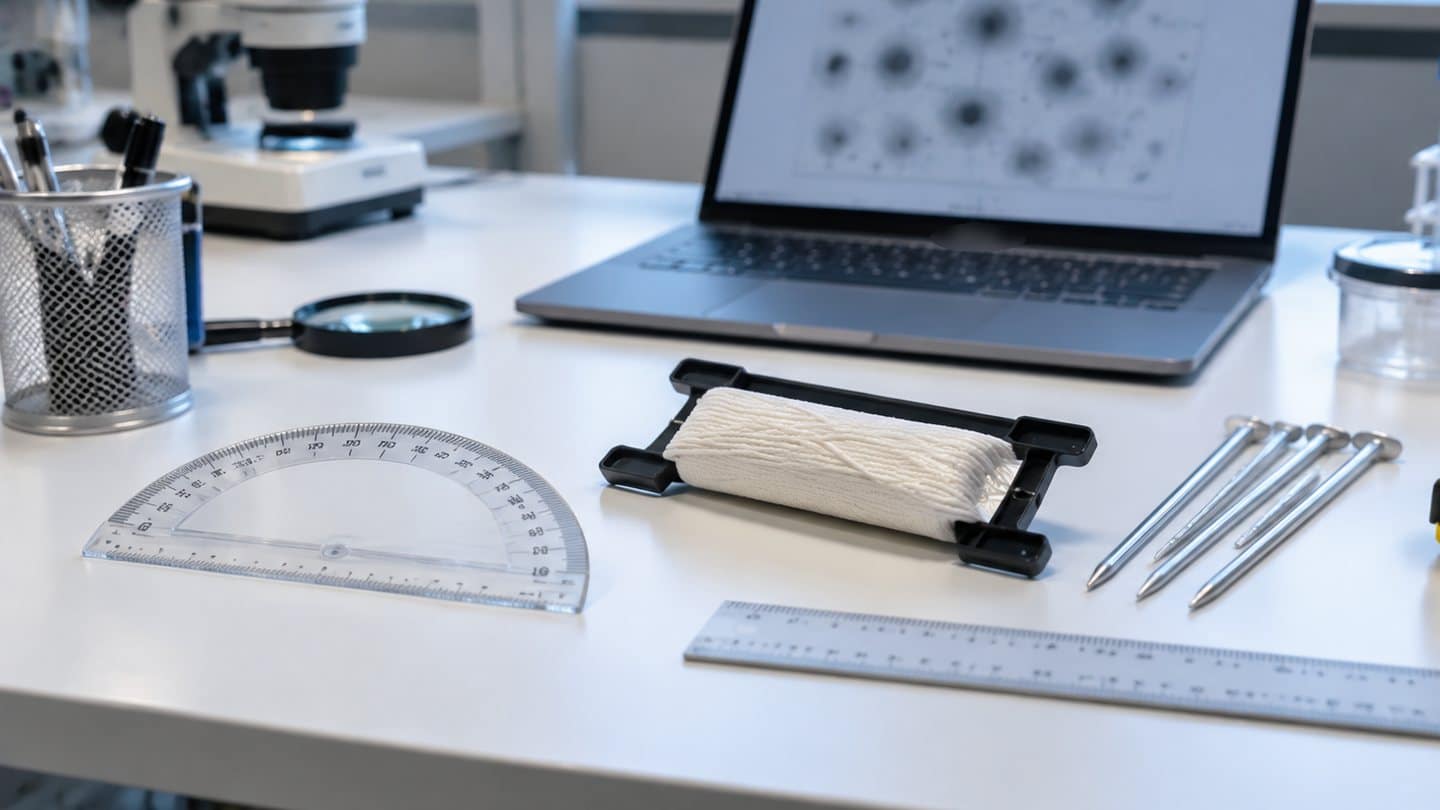
- The analyst’s notes, sketches, and any string or software reconstruction
- Presumptive and confirmatory blood test results
- DNA results on key stains
- The information the analyst received before reviewing the scene
- Clothing and other items, preserved for a defense expert to examine
Any reported measurement should trace back to a photo or note. Some red substances aren’t blood, and some blood isn’t red. The pattern doesn’t say whose blood it is, either.
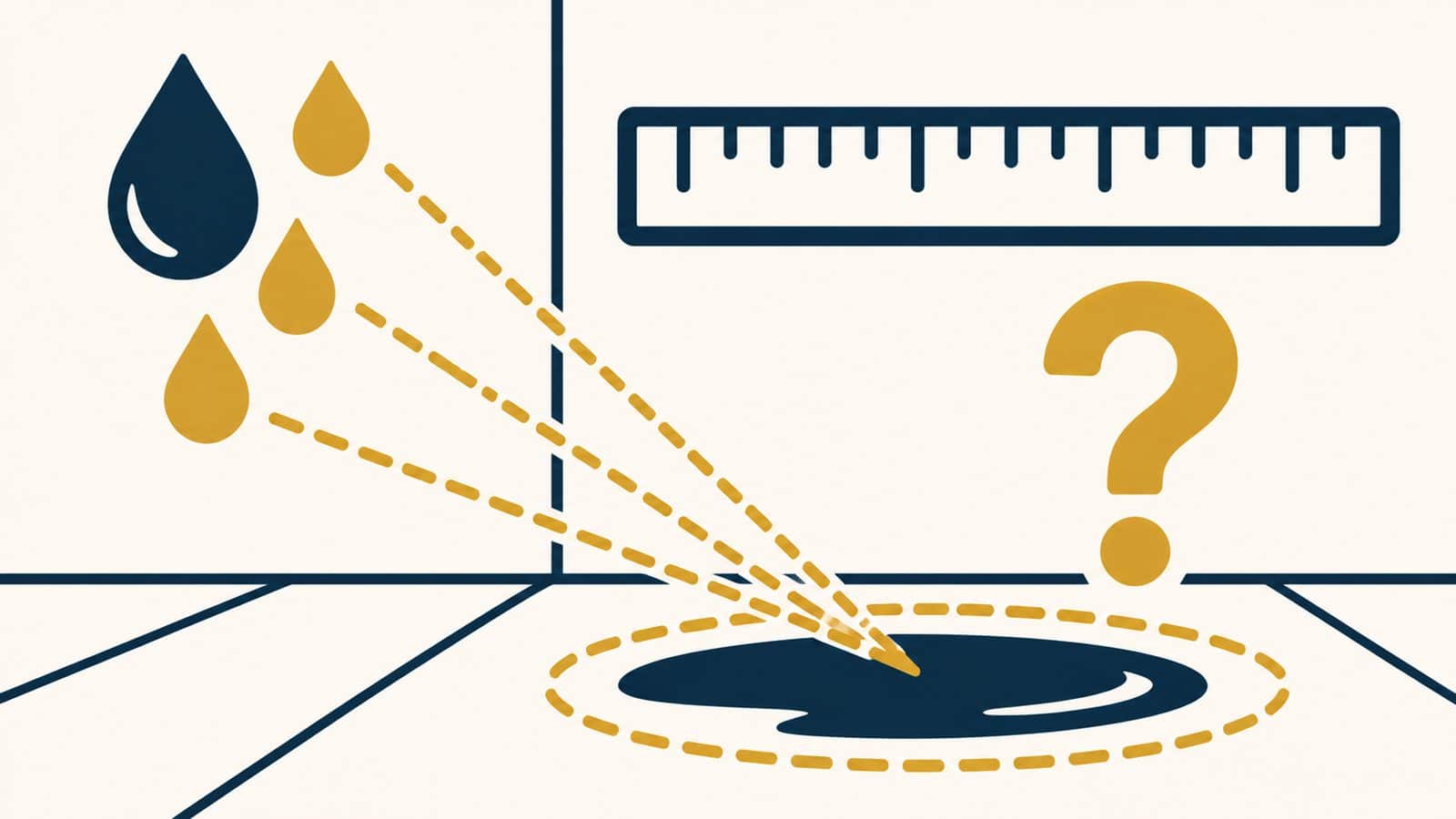
Hypothetical: Page 6 of the report says a stain on the hallway wall measured 4 millimeters. The photo log has 63 entries. None of them shows that wall with a ruler in the frame. So where did 4 millimeters come from?
How does the defense challenge a bloodstain opinion in court?
Texas law gives the defense several tools before and during trial. TRE 702 lets your lawyer challenge the analyst’s qualifications and whether the opinion will help the jury. In a criminal case, TRE 705(b) allows questions about the underlying data outside the jury’s hearing. Under TRE 705(c), the defense can object that the underlying facts or data don’t provide a sufficient basis for the opinion.
Ask in writing by the 30th day before jury selection, and CCP art. 39.14(b) makes the State name its experts by the 20th day before. Art. 39.14(h) also requires the State to hand over favorable information, including an opinion that cuts against its theory.
Accreditation and licensing rules may also apply. Your lawyer works through three questions:
- Under CCP art. 38.35(d), a forensic analysis from a lab the Texas Forensic Science Commission hadn’t accredited is inadmissible, unless an exception applies. Does this bloodstain work count as forensic analysis under the commission’s rules?
- Under CCP art. 38.01, Sec. 4-a, a forensic analyst at an accredited lab needs a license. Does the analyst hold one?
- Under CCP art. 38.01, Sec. 4(a)(3), the commission can look into a complaint that sloppy work changed a result or testimony. Has anyone complained about this lab’s work?
How does bloodstain evidence fit the rest of the case?
A pattern can matter most when the question is how a struggle happened, not who was there.
| Situation | What the stains may or may not show |
|---|---|
| He says the other man attacked first. | Stain locations may support or undercut his account. |
| He tried to help the injured man. | First aid can leave contact stains on clothing. |
| The State claims a planned killing. | The pattern may say little about intent. |
| Paramedics moved the body before photos. | That later activity can create new stains. |
These questions matter for self-defense and for intent.
What can a family do while the bloodstain review is pending?
You may know what happened in that room after the injury. Maybe your brother pressed a towel on the wound until the ambulance came. Maybe a neighbor ran in and knelt beside him in the hallway.
Write these down for the defense lawyer:
- Everyone who touched the injured person before police arrived
- Everyone who walked through the room, and roughly when
- Any first aid someone gave, and with what
- Photos or video anyone took before police came
Hand the list to the lawyer, not to the police. A towel, a hug, or a paramedic’s knee can each leave a stain that looks like something else.
Frequently asked questions
Is bloodstain pattern analysis considered reliable?
Parts of it are. A finding that blood moved fast rests on decent science. A story about who stood where, and in what order, often doesn’t. The 2009 National Research Council report drew that same line, and the judge decides admissibility under Rule 702 in each case.
Can the defense hire its own bloodstain expert?
Say the State’s photos of the hallway wall have no scale in them. An independent analyst can review the photos and the State’s method before trial. Whether to hire one is a decision for the defense lawyer.
What if a conviction relied on bloodstain testimony that’s now doubted?
Say an analyst told the jury years ago that the spatter proved where the defendant stood, and later science undercuts that kind of claim. CCP art. 11.073 allows habeas relief based on new scientific evidence in certain cases, including evidence that contradicts science the State relied on at trial.
Talk with Heath Hyde
Ask early for the analyst’s photos and notes. Call Heath Hyde, P.C. at 903.439.0000 or request a free consultation.
Legal sources
- Tex. R. Evid. 702–705
- Tex. Code Crim. Proc. arts. 38.01, 38.35
- Tex. Code Crim. Proc. art. 39.14
- Tex. Code Crim. Proc. art. 11.073
This article provides general educational information, not legal advice. Every case depends on its facts, evidence, court, deadlines and governing law. Past results do not guarantee a similar outcome.