
What Can Toxicology Evidence Establish?
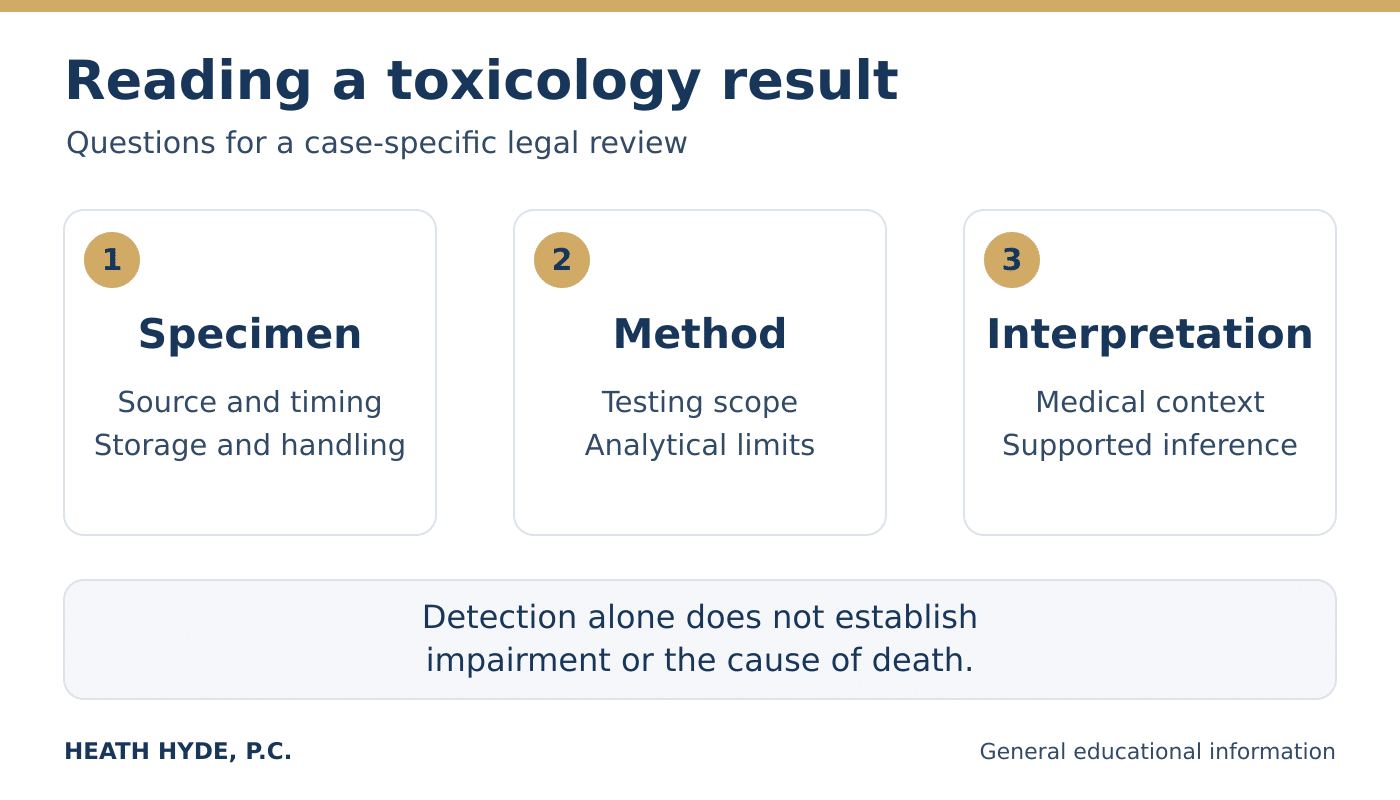
A toxicology report can show what was found in a sample. Whether it proves impairment, cause of death, or intent in a Texas homicide case is a separate question.
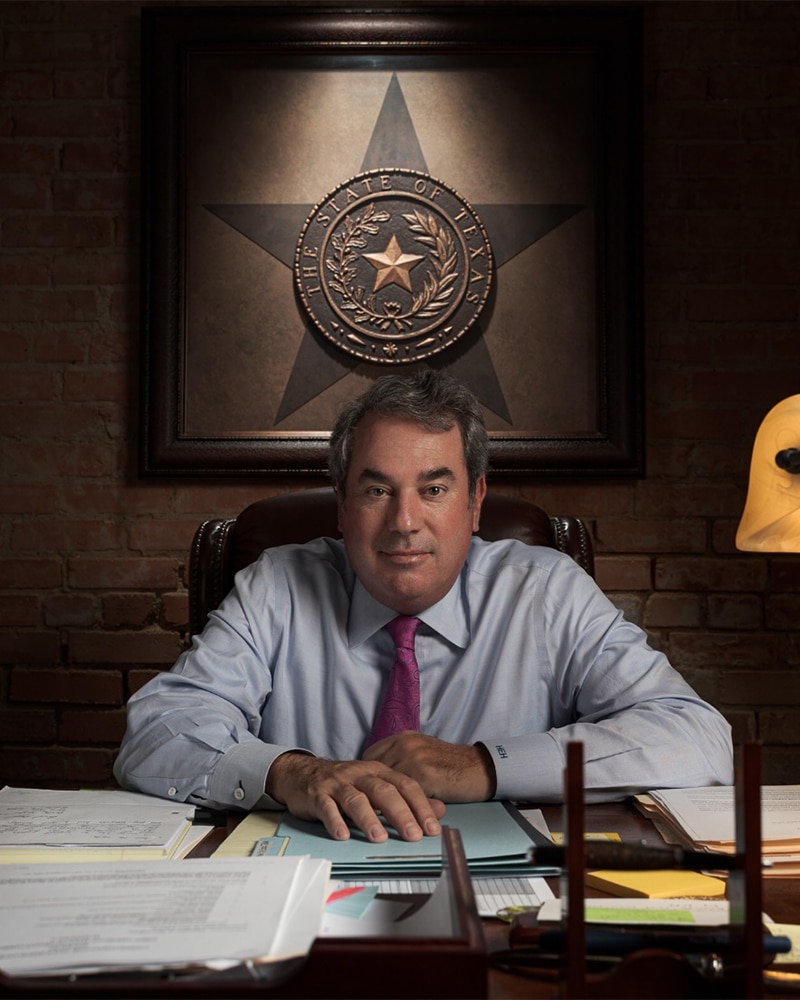
Mr. Heath Enix ‘Heath’ Hyde
Eligible to Practice in Texas
Attorney at Law
Bar Card Number: 00796807
TX License Date: 11/01/1996
Primary Practice Location: Dallas, Texas
Return to the Texas Murder Trial Defense Knowledge Hub
Short answer
Toxicology evidence can establish that a tested substance was present in a particular specimen and, when the method allows it, how much was there. On its own it doesn’t establish what a person intended, how impaired they were at a given moment, or that a drug caused a death.
| Toxicology can show | It can’t show by itself |
|---|---|
| A substance the lab tested for was detected and confirmed. | It doesn’t show that the person took it on purpose or knew what it was. |
| The lab measured a concentration in that sample. | It doesn’t give the concentration at the time of a shooting, crash, or collapse. |
| A substance wasn’t found within the method’s limits. | It doesn’t prove that no drug was ever present. |
| The person was exposed within the specimen’s detection window. | It doesn’t show how that person was affected. |
What does a toxicology report actually measure?
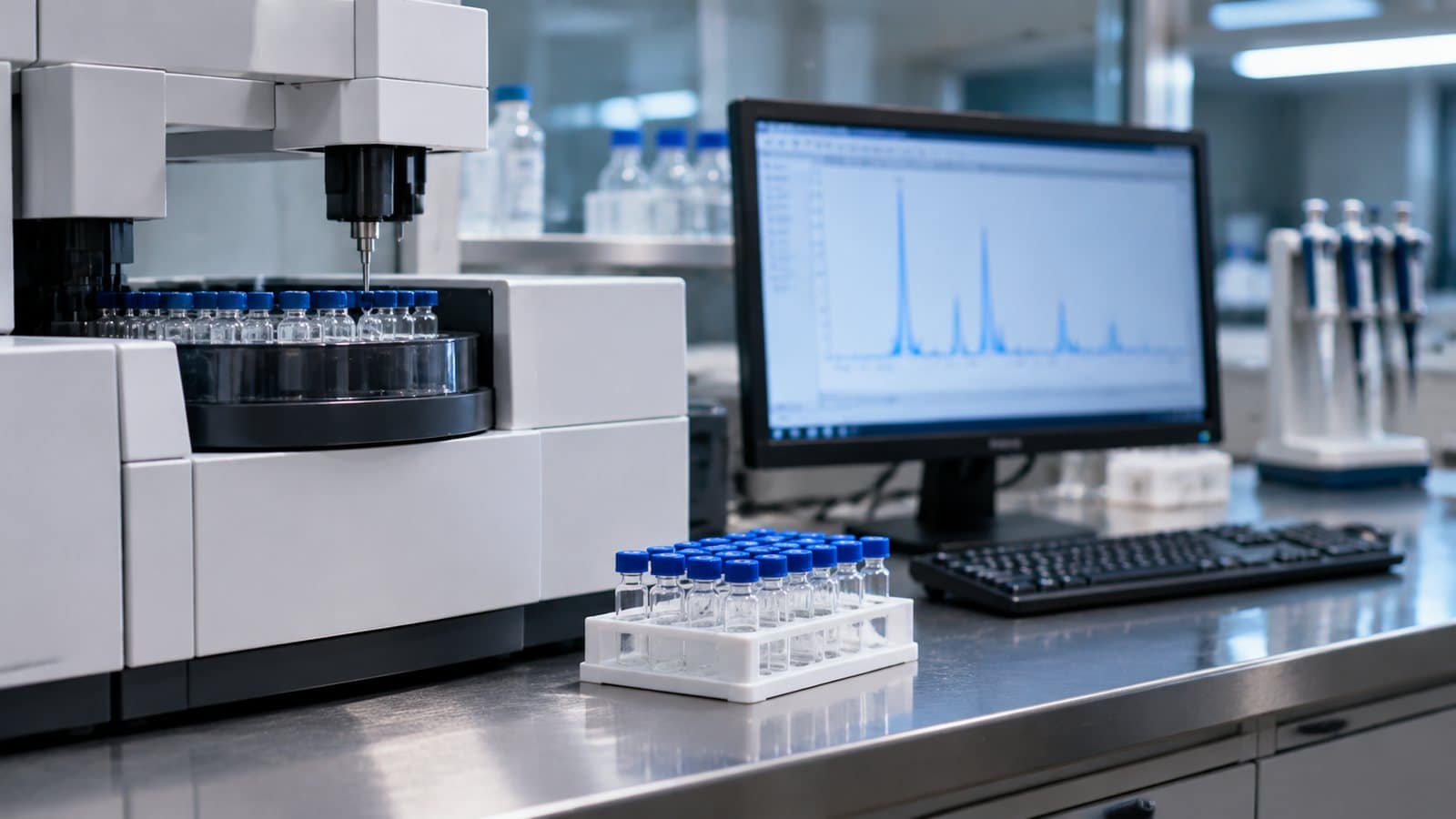
Each result depends on the specimen, the test run on it, and whether the lab went past a first screen.
| Stage or specimen | What it tells you |
|---|---|
| Screening | It’s a first test that flags possible substances for more work. |
| Confirmation | The lab identifies the substance by matching it to a known reference. |
| Quantification | The lab reports a measured concentration with its units and limits. |
| Blood, urine, or oral fluid | These have shorter detection windows, according to the NIST/OSAC toxicology overview. |
| Hair or nails | They reflect longer-term exposure, not a single moment. |
A “negative” means only that the substances on that test’s list weren’t found above its reporting limits. Ask what the panel covered before reading anything into a clean result.
| Hypothetical | The question to ask |
|---|---|
| A report lists “fentanyl: detected” with no number. | Was it confirmed, and was it ever quantified? |
| A hospital drew blood at 1:15 a.m.; the lab used serum. | How was the serum value converted to whole blood? |
| The panel came back negative for “drugs of abuse.” | Did it test for the substance the defense thinks matters? |
Why can results from an autopsy mislead?
After death, drug levels in the body can move, so a postmortem number may not match what was in the person’s blood when they were alive.
| Issue | Why it matters to you |
|---|---|
| Postmortem redistribution | NIST/OSAC notes concentrations can change significantly between death and collection at autopsy. |
| Collection site and timing | The report should say where the sample was drawn and how long after death. |
| Storage and handling | Chain-of-custody and storage records show whether the sample stayed intact. |
| Converting a level into a dose | A later blood value shouldn’t simply be treated as the amount a person swallowed or injected. |
| Hypothetical | The point to test |
|---|---|
| Blood was drawn 30 hours after death at the autopsy table. | Whether the level reflects the time of death or changes afterward. |
| Two samples from the same body show very different numbers. | Which sample the State’s expert relied on and why. |
| The expert converts a postmortem level into “four pills.” | What study or method supports that leap. |
Where does toxicology matter in a Texas homicide case?
How much weight a lab result carries depends on which offense and which element the State is trying to prove.
| Statute | Where toxicology comes in |
|---|---|
| Penal Code §19.02(b)(4) | Murder by knowingly manufacturing or delivering a Penalty Group 1-B opiate, a group that includes fentanyl, when someone dies from using any amount of it. |
| Penal Code §49.08 | Intoxication manslaughter, a second-degree felony unless §49.09 enhances it, requires proof the driver was intoxicated and caused a death by reason of that intoxication. |
| Penal Code §49.01(2) | A person counts as intoxicated if they’ve lost normal mental or physical use, or if their alcohol concentration is 0.08 or higher. |
| Penal Code §8.04 | Voluntary intoxication isn’t a defense; temporary insanity caused by intoxication may be offered in mitigation of punishment. |
| Penal Code §6.04(a) | Causation still has to be proved, including when another cause was clearly sufficient on its own. |
In a murder case, toxicology often goes to how intent is proven or disputed and to causation and concurrent causation.
| Hypothetical | What the result can and can’t settle |
|---|---|
| The deceased had a high alcohol level and the defense is self-defense. | It may bear on events, but it doesn’t decide whether force was justified. |
| A fentanyl death is charged under §19.02(b)(4). | Toxicology can show fentanyl was present; the State still has to prove delivery by the accused. |
| The accused had methamphetamine in his blood after arrest. | Under §8.04 it isn’t a defense, and the State still has to prove intent. |
How does the defense test the lab work?
Texas law gives the defense several ways to look behind a printed result.
| Tool | What it does |
|---|---|
| CCP art. 38.35(d) | A forensic analysis, including toxicology, isn’t admissible if the lab wasn’t accredited by the Texas Forensic Science Commission at the time, subject to art. 38.35(e). |
| CCP art. 39.14(a) | It lets you request the lab’s documents and data in the State’s possession or under its contract. |
| CCP art. 39.14(b) | A request by the 30th day before jury selection requires the State to name its experts by the 20th day. |
| TRE 705(b) | The defense must be allowed to question the toxicologist about the underlying data outside the jury’s hearing. |
| TRE 705(c) | An opinion is inadmissible if its facts or data don’t give it a sufficient basis. |
| Record to request | What it can reveal |
|---|---|
| Batch data, chromatograms, and calibration runs | Whether the instrument and controls performed as expected. |
| Chain-of-custody forms | They can show gaps in who held the sample and when. |
| The lab’s method validation and stated limits | Whether the method can measure the level reported. |
| Analyst notes and any amended reports | They can show changes between the first and final result. |
Can the State prove a result without calling the analyst?
Sometimes, but the Confrontation Clause and Texas notice rules limit it.
| Rule or case | What it says |
|---|---|
| CCP art. 38.41 | A certificate of analysis filed at least 20 days before trial can come in without the analyst, unless the defense files a written objection at least 10 days before trial. |
| CCP art. 38.42 | A chain-of-custody affidavit follows the same 20-day filing and 10-day objection deadlines. |
| Melendez-Diaz v. Massachusetts (2009) | Sworn forensic certificates were testimonial, so the analysts were witnesses the accused could confront. |
| Smith v. Arizona (2024) | If a substitute expert repeats an absent analyst’s findings to support an opinion, those findings come in for their truth. |
| Hypothetical | The issue to raise |
|---|---|
| The certificate of analysis was filed 25 days before trial. | The defense’s objection is due no later than the 10th day before trial. |
| A lab supervisor will testify to a colleague’s blood result. | Raise Smith v. Arizona and ask whether the colleague’s report was testimonial. |
| The defense misses the 10-day objection deadline. | The certificate may come in without the analyst testifying. |
Frequently asked questions
| Question | Answer |
|---|---|
| Does a positive drug test mean the person was impaired? | Not by itself. Impairment depends on the substance, the level, the timing, and the person, and an expert has to explain the basis for any such opinion. |
| Can hair testing show someone was high on a specific night? | Hair reflects longer-term exposure. It isn’t built to pinpoint one evening. |
| Does the accreditation rule cover the medical examiner’s autopsy? | CCP art. 38.35(f) excludes the part of an autopsy done by a licensed-physician pathologist. Toxicology testing tied to the case is still a forensic analysis under the article. |
| What if toxicology science changes after a conviction? | CCP art. 11.073 allows a habeas claim based on relevant scientific evidence that wasn’t available at trial. The court must find by a preponderance that the person wouldn’t have been convicted. |
Talk with Heath Hyde
If a lab report is part of the case against someone you love, keep every copy you’ve been given and call Heath Hyde, P.C. at 903.439.0000 or request a free consultation. The Texas murder defense knowledge hub covers the other forensic issues in these cases.
Legal sources
- Tex. Penal Code §19.02
- Tex. Health & Safety Code §481.1022
- Tex. Penal Code §§49.01, 49.08
- Tex. Penal Code §§6.04, 8.04
- Tex. Code Crim. Proc. arts. 38.35, 38.41, 38.42
- Tex. Code Crim. Proc. arts. 11.073, 39.14
- Tex. R. Evid. 702–705
- Smith v. Arizona, 602 U.S. 779 (2024)
- Melendez-Diaz v. Massachusetts, 557 U.S. 305 (2009)
- NIST/OSAC forensic toxicology overview
- NIST/OSAC note on postmortem redistribution (2025)
This article provides general educational information, not legal advice. Every case depends on its facts, evidence, court, deadlines and governing law. Past results do not guarantee a similar outcome.