

Texas Murder Trial Defense
Can Deadly Force Be Used to Defend Another Person in Texas?
Texas Penal Code §9.33 permits force to protect another when the actor reasonably believes unlawful force threatens that person, would be justified under §9.31 or §9.32 in using force or deadly force against that threat to protect themself, and reasonably believes intervention is immediately necessary.
Eligible to Practice in Texas
Attorney at Law
Bar Card Number: 00796807
TX License Date: 11/01/1996
214 Connally St Ste A
Sulphur Spgs, TX 75482-2612
Return to the Texas Murder Trial Defense Knowledge Hub
Short Answer
Yes, it can be. Texas Penal Code §9.33 is the statute that covers force used to protect someone else, and it works like this. Consider the circumstances as you reasonably believed them to be at the time. Under those circumstances, would §9.31 or §9.32 have let you use that same force, or deadly force, to protect yourself from the unlawful force you believed was coming at the other person? If so, and if you also reasonably believed you had to step in right then to protect that person, the statute can apply. Notice what it doesn’t ask. It doesn’t ask whether the person you protected would have passed a self-defense test on their own. And in a Texas murder case, the fact that someone died doesn’t settle any of this by itself.
Why This Question Matters
The first thing to understand is that §9.33 points back at you, not at the person you protected. Suppose your brother is on the ground and a man is standing over him with a bat. The jury isn’t asked whether your brother could have fought back. It’s asked what you reasonably believed was about to happen to him, whether §9.31 or §9.32 would have let you use that force against the same threat to protect yourself, and whether you reasonably believed you had to act right then. The rules come from self-defense (forthcoming article), and something as small as whether you could hear what the man was saying can decide it.
How I Would Analyze the Issue
When a family sits down with me on one of these, I don’t start with the video. I start with §9.33 and go in order. What unlawful force did you reasonably believe was threatening the other person? If the scene was the way you perceived it, would §9.31 or §9.32 have justified you in using that same force to protect yourself? Did you reasonably believe you had to intervene right then and not a minute later? Deadly force adds a pass through §9.32, which has its own requirements and limits. Once those answers are on paper, I pull the body-cam footage and the detective’s interview recordings and check them against it. The offense report and the recording don’t always say the same thing.
What the Prosecution May Try to Establish
A prosecutor working to prove a murder charge will come at a third-person defense from one of three directions. Either you couldn’t have seen the threat you describe from where you were, or §9.31 or §9.32 wouldn’t have justified that much force against it even if you did, or nothing required you to act in that particular instant. Timing tends to be the sharpest of the three, because a few seconds of delay on a 911 recording can be made to sound like you had a choice. The same recording can also show that you didn’t.
What the Defense Must Test
Counsel must identify evidence supporting the statutory defense and test it against the complete record. Under Penal Code §2.03, evidence supporting a defense must be admitted before that defensive issue is submitted to the jury. If it is submitted, the jury must be told to acquit if it has a reasonable doubt on the defense. The State still must prove every element of the offense beyond a reasonable doubt under §2.01.
Your account of the encounter is the starting point, and jurors will want to check it against something. So I’d want to know, for example, that you were twelve feet away and not thirty, that the porch light was on, and that about four seconds passed between the first shout and the moment you acted. The same goes for what the person you protected was doing, how the threat appeared, and whether some other intervention was available without an unreasonable delay. I’d rather find a soft spot in that chain in my office than hear about it in cross-examination. Sincerity isn’t the standard, either. You can have believed with your whole heart that you had to act and still fall short if that belief wasn’t reasonable under the circumstances.
Evidence and Documents to Review
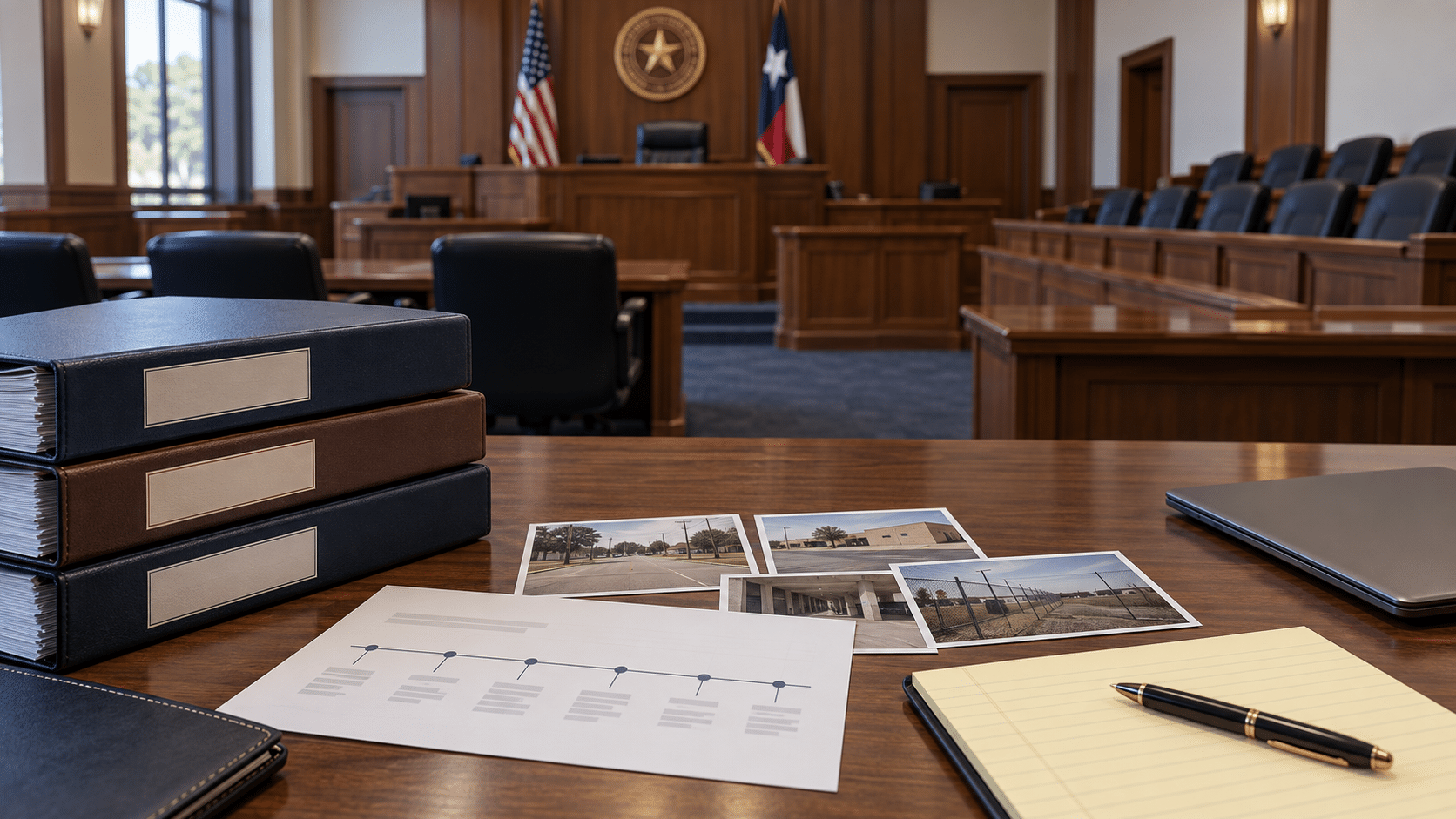
- Scene photographs and measurements
- Injuries
- 911 and dispatch recordings
- Video
- Weapons evidence
- Prior threats known to the accused
- Messages
- Witness accounts
- Medical records
Questions That Can Change the Analysis
- What did the actor reasonably perceive about the threat to the third person?
- Would the actor have been justified in defending themself under the perceived circumstances?
- Would the actor be justified under §9.31 or §9.32 in using that force to protect themself?
- Why did intervention appear immediately necessary at that moment?
Common Misunderstandings
People assume defending someone else is just self-defense with a different name. It isn’t. Section 9.33 adds requirements.
A sincere belief alone doesn’t carry the day if the statutory conditions aren’t met.
Someone died. That fact, by itself, doesn’t tell anyone what you reasonably perceived or whether stepping in looked immediately necessary.
Local Case Considerations
The parking lot or front yard where this happened tells you which police department and which county showed up. It doesn’t tell you whether the intervention met §9.33. Start with the court file and the case records. Then work out what you could actually see and hear in the moment force was used.
What Families Should Preserve
Save the original files and leave them alone. That means the 911 audio as it came from the county, the dispatch records, the scene photographs at full size, and the whole text thread rather than a cropped screenshot of the good part. Anything that shows where each person was positioned goes in the same pile. And please don’t call the witnesses to compare memories. I know it’s the natural thing to do. A prosecutor will use those calls to suggest that everyone got their story straight. Write the names down and bring them, with the originals, to counsel.
Discuss the Case With Counsel
A third-person defense depends on the circumstances as you reasonably believed them to be and on whether intervention appeared immediately necessary, so your defense lawyer needs the sequence from you in order, including the parts you didn’t see. Say so when there’s a gap rather than filling it in. Bring the source material with you. Call Heath Hyde, P.C. at 903.439.0000 or request a confidential consultation.
Frequently Asked Questions
Is defending another person the same as self-defense?
No. Section 9.33 asks a specific question. Under the circumstances as you reasonably believed them, would §9.31 or §9.32 have justified you in using force or deadly force to protect yourself from the unlawful force you believed was threatening the other person? You also had to reasonably believe that stepping in was immediately necessary. There’s no separate requirement that the other person would’ve been justified in using force themselves.
Does a sincere belief automatically justify deadly force?
No. You can be completely sincere and still fall short. The belief has to be reasonable, the rest of the statutory conditions have to be met, and there has to be evidence that backs all of it up.
What evidence can matter?
Mostly the original recordings and the scene evidence, along with the timing, where people were standing, the injuries, and what the witnesses saw, since all of that bears on what you reasonably perceived.
Legal Sources
Texas Penal Code §§2.01, 2.03, 9.31–9.33: https://tcss.legis.texas.gov/resources/PE/htm/PE.9.htm
Texas Penal Code, Chapter 2 (burden of proof and defensive issues): https://tcss.legis.texas.gov/resources/PE/htm/PE.2.htm