

Colony, TX Healthcare Fraud Defense Attorney
FORMER PROSECUTOR
Colony Your Freedom Is Our Profession And We Are Good At Our Job!
MORE THAN 400 STATE AND FEDERAL JURY TRIALS
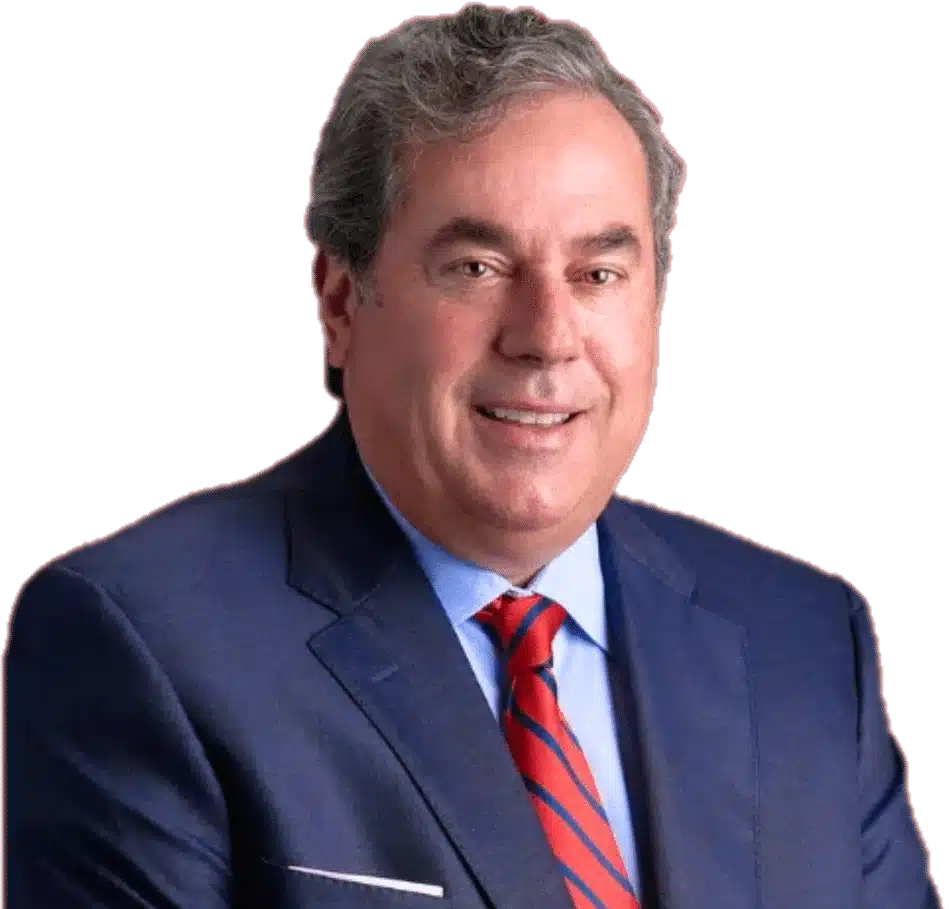
Heath Hyde is a experienced healthcare fraud defense lawyer proudly serving clients in The Colony, Texas, a thriving city nestled along the shores of Lewisville Lake in Denton County. Known for its rapid growth and vibrant community, The Colony is home to numerous healthcare professionals and medical businesses that may face complex federal fraud allegations. With extensive experience navigating the intricacies of healthcare fraud law, Heath Hyde provides aggressive, strategic defense for physicians, pharmacists, clinic owners, and other providers facing charges related to false claims, kickbacks, and billing irregularities. His proven track record and deep understanding of federal regulations make him the trusted choice for healthcare professionals throughout The Colony.













Healthcare fraud charges are among the most serious white-collar offenses prosecuted in the United States, and residents of Colony, Texas, are no exception to this reality. Whether you are a healthcare provider, billing specialist, or administrator facing allegations, the stakes are extraordinarily high. Selecting the right defense attorney can mean the difference between preserving your career and freedom or facing devastating consequences that can alter the course of your life.
Healthcare fraud encompasses a wide range of alleged illegal activities, including false billing, upcoding, unbundling services, kickback schemes, and submitting claims for services never rendered. Federal agencies such as the Department of Health and Human Services Office of Inspector General (HHS-OIG) and the FBI actively investigate these cases with substantial resources. For residents of Colony, these cases are typically prosecuted at the federal level, making experienced legal representation absolutely critical.
Healthcare fraud cases originating in Colony, Texas, are generally heard at the United States District Court for the Eastern District of Texas, with the nearest federal courthouse located in Plano, Texas, at the Paul Brown United States Courthouse, 101 East Pecan Street. Cases may also be directed to the Northern District of Texas courthouse in Dallas, depending on jurisdictional considerations. Understanding where your case will be tried is essential, as familiarity with local federal judges, prosecutors, and court procedures gives a seasoned attorney a significant strategic advantage.
Failing to secure a qualified healthcare fraud defense attorney can lead to catastrophic outcomes. Without proper representation, defendants face numerous risks, including:
An inexperienced attorney may fail to challenge evidence properly, miss critical procedural errors, or inadequately negotiate with federal prosecutors. Given that the Department of Justice Health Care Fraud Unit dedicates enormous resources to securing convictions, defendants need an attorney who can match that level of preparation and expertise.
A skilled healthcare fraud defense attorney brings deep knowledge of federal sentencing guidelines, complex medical billing systems, and investigative procedures. They can identify weaknesses in the prosecution’s case, negotiate favorable plea agreements when appropriate, and mount a vigorous defense at trial. Furthermore, an attorney with experience in the local federal courts near Colony will understand the tendencies of judges and prosecutors, providing an invaluable tactical edge.
Healthcare fraud charges in Colony carry life-altering consequences that demand the highest caliber of legal defense. From navigating the complexities of federal court to protecting your freedom, finances, and professional future, the right attorney is not a luxury — it is a necessity. If you or someone you know is facing healthcare fraud allegations, seeking experienced legal counsel immediately is the most important step you can take.

Healthcare fraud cases are a category all their own: technical, document-heavy, and capable of ending a career overnight. By the time most providers in Colony realize they’re a target, the government has already been building its case. What’s at risk is enormous: prison, exclusion from Medicare and Medicaid, loss of your medical or professional license, and the end of a career you spent decades building. That’s why specialized defense matters so much here. Here’s why so many in Colony turn to Heath Hyde.
Start here, because it matters: according to his firm, Hyde has tried one of the largest healthcare fraud cases ever to reach a jury. These cases turn on mountains of billing records, coding data, expert testimony, and complex statutes. Having tried a matter of that scale is exactly what a Colony provider wants when their career is on the line.
Timing is everything. Hyde represents clients during the investigation stage — when HHS, the FBI, the DOJ, or the IRS make contact, or when a target letter or grand jury subpoena lands. Getting ahead of it can mean resolving the matter quietly instead of in open court.
Healthcare fraud prosecutions are won and lost on how the government reads the data. Hyde spent more than a decade as a Dallas County prosecutor and began his career clerking for a U.S. Attorney — so he understands exactly how investigators assemble a billing-fraud case and try to prove intent. For a Colony client, that insider perspective shapes a sharper defense.
Hyde represents providers, executives, and businesses in Colony across the spectrum of healthcare offenses, including:
Each carries its own statutes, defenses, and penalties, and the plan is built around your records and the government’s theory.
An uncomfortable reality: a lot of attorneys push every client toward a settlement because they won’t take a complex billing case to a jury. Hyde’s experience includes more than 400 state and federal jury trials. It means the government can’t count on you folding — so even a negotiated outcome tends to come on better terms.
A conviction — or even an accusation — can trigger licensing board action and program exclusion. Hyde knows a Colony provider needs the matter handled with discretion and an eye on the bigger picture. The goal isn’t only to win the case — it’s to protect everything around it.
Hyde has earned recognition among the Top Trial Lawyers by the National Trial Lawyers, was named a Super Lawyers “Rising Star” in Texas, and holds Martindale-Hubbell’s highest peer-reviewed rating. See what clients say in the testimonials.
Healthcare fraud investigations don’t stop at county lines. Hyde handles cases across all four federal districts in Texas — Northern, Eastern, Western, and Southern — and in counties throughout the state. Wherever in Texas your Colony matter is being investigated, he’s positioned to represent you.
Every day an investigation runs is a day to get ahead of it. If you’ve received an audit notice, a subpoena, or contact from a federal agency in Colony, get experienced counsel before you produce a single record.
Heath Hyde — Free Confidential Consultation, 24/7 📞 903.439.0000 🚔 24-Hour Jail Release: 214.520.7373
This article is for general information only and is not legal advice. Reading it does not create an attorney-client relationship. Prior results do not guarantee a similar outcome.

| Offense | Statute | Penalty (per count/violation) | Description |
|---|---|---|---|
| Criminal Statutes | |||
| Health care fraud | 18 U.S.C. § 1347 |
10 years (20 if serious bodily injury results; life if death results) | Scheme to defraud any health care benefit program, public or private |
| Anti-Kickback Statute | 42 U.S.C. § 1320a-7b |
10 years; fine up to $100,000 per violation; plus program exclusion | Knowingly paying or receiving anything of value to induce referrals reimbursed by a federal program |
| Theft/embezzlement in health care | 18 U.S.C. § 669 |
10 years (1 year if the value is $100 or less) | Theft or embezzlement in connection with a health care benefit program |
| False statements re: health care | 18 U.S.C. § 1035 |
5 years | Knowingly making materially false statements in health care matters |
| Unlawful prescribing / pill mills | 21 U.S.C. § 841 |
Up to 20 years (higher with death/serious injury or prior convictions) | Distributing controlled substances outside the usual course of professional practice |
| Aggravated identity theft | 18 U.S.C. § 1028A |
2 years, mandatory and consecutive | Using patients' identities to bill fraudulently; frequently stacked on fraud counts |
| Civil & Administrative | |||
| False Claims Act | 31 U.S.C. § 3729 |
Civil: treble (3x) damages plus a per-claim penalty (inflation-adjusted, roughly $14,000–$28,000 each) | Submitting false claims for government payment; most health care recoveries come through it, often via whistleblower (qui tam) suits |
| Stark Law (physician self-referral) | 42 U.S.C. § 1395nn |
Civil: denial of payment, mandatory refunds, and civil monetary penalties | Referring Medicare/Medicaid patients to entities with which the physician has a financial relationship (strict liability) |
| Civil Monetary Penalties Law | 42 U.S.C. § 1320a-7a |
Civil: penalties per item or service, plus assessments and exclusion from federal programs | Administrative penalties imposed by HHS-OIG for false claims, kickbacks, and related conduct |
| Offense | Statute | Penalty | Description |
|---|---|---|---|
| Criminal Offenses | |||
| Health care fraud | Penal Code § 35A.02 |
Class C misdemeanor (under $100) up to first-degree felony ($300,000+); can also escalate by number of fraudulent claims (e.g., 25–49 claims = third degree) | Billing a health care program for services not rendered, upcoding, or false claims; covers Medicaid and other programs |
| Insurance fraud (incl. health policies) | Penal Code § 35.02 |
Class C misdemeanor (under $100) up to first-degree felony ($300,000+, or if it risks death/serious injury) | False or fraudulent statements to support a claim under any insurance policy, including private health coverage |
| Theft by a provider | Penal Code § 31.03 |
Class C misdemeanor (under $100) up to first-degree felony ($300,000+) | Catch-all theft charge often used where program funds are obtained by deception |
| Tampering with a governmental record | Penal Code § 37.10 |
Class C misdemeanor up to second-degree felony, by intent and record type | Falsifying records or billing submitted to a government health program |
| Civil Enforcement | |||
| Texas Medicaid Fraud Prevention Act | Human Resources Code § 36.002 |
Civil: up to two times the value of the unlawful payment, plus a civil penalty per violation and program exclusion | State analog to the federal False Claims Act for the Medicaid program; enforced by the Attorney General, often via whistleblowers |
Heath Hyde, P.C.
Heath Hyde, P.C. handles serious state and federal criminal matters in Texas. Availability depends on the facts, case type, jurisdiction, deadlines, scheduling, conflicts, and firm acceptance.
Information on this website is for general information only and is not legal advice. Viewing this site or contacting the firm does not create an attorney-client relationship. A location page is an informational resource, not a promise that the firm accepts every matter in that city or county.
© 2026 Heath Hyde, P.C.
Privacy Policy · Powered by Mach1Design