

Bedford, TX White Collar Defense Attorney
FORMER PROSECUTOR
Bedford Your Freedom Is Our Profession And We Are Good At Our Job!
MORE THAN 400 STATE AND FEDERAL JURY TRIALS
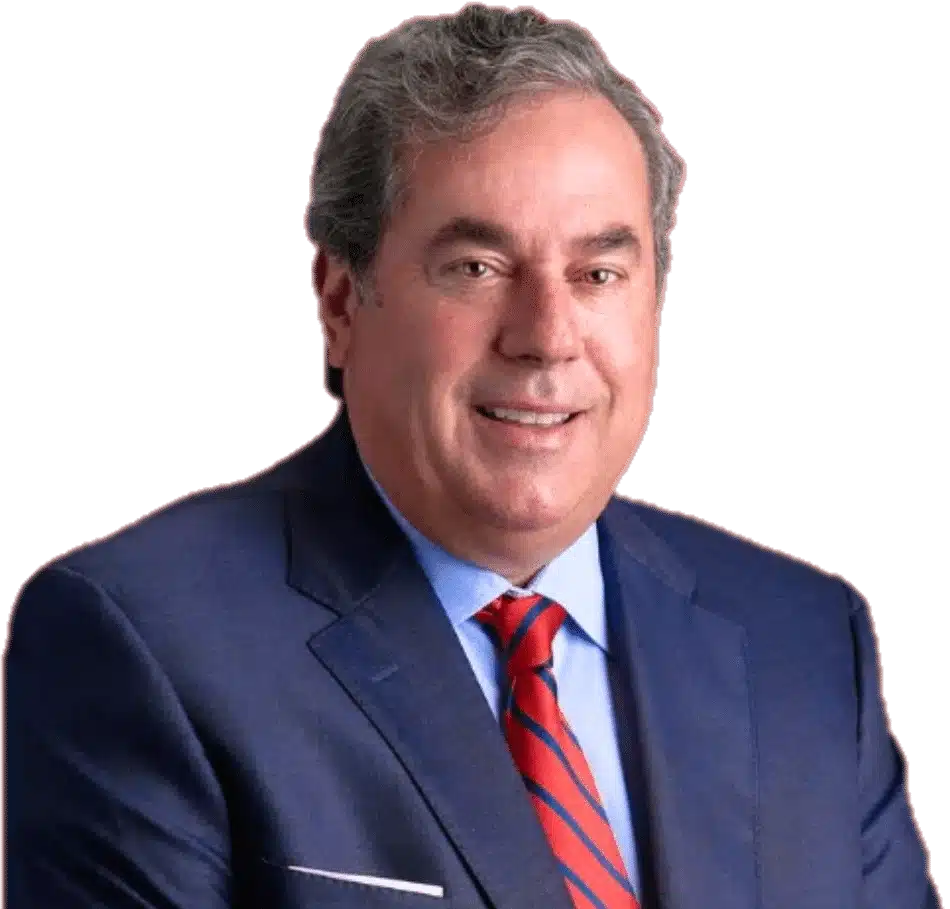
Heath Hyde is a experienced white collar defense lawyer proudly serving clients in Bedford, Texas, a thriving city nestled in the heart of the Dallas-Fort Worth metroplex. With a reputation built on aggressive advocacy and meticulous case preparation, Heath Hyde provides skilled legal representation for individuals and businesses facing serious federal charges, including fraud, embezzlement, tax evasion, and money laundering. Bedford residents deserve a defense attorney who understands the complexities of white collar criminal law and the high stakes involved. With a proven track record of favorable outcomes, Heath Hyde offers the experienced, strategic counsel that Bedford clients need to protect their rights, freedom, and future.













When facing white collar criminal charges in Bedford, Texas, the stakes are extraordinarily high. These cases often involve complex financial allegations such as fraud, embezzlement, money laundering, or insider trading, and the consequences of a conviction can be devastating. Selecting the right defense attorney is not just advisable—it is absolutely critical to protecting your future, your reputation, and your freedom.
White collar crimes are typically non-violent offenses committed in business or professional settings for financial gain. In Bedford, Texas, these cases are often prosecuted aggressively by both state and federal authorities. Because Bedford falls within Tarrant County, most state-level cases are handled at the Tarrant County Criminal Courts, located at the Tim Curry Criminal Justice Center at 401 W. Belknap Street in Fort Worth, approximately 15 miles from Bedford. Federal cases may be tried at the United States District Court for the Northern District of Texas in Fort Worth or Dallas.
Given the complexity of these proceedings and the jurisdictions involved, having an attorney who understands both the local court system and the intricacies of white collar law is essential.
Failing to secure experienced legal representation in a white collar case can lead to severe and life-altering consequences. Without a skilled attorney, defendants may face:
An inexperienced attorney may miss critical opportunities to challenge evidence, negotiate favorable plea agreements, or identify procedural errors that could result in dismissed charges. In white collar cases, where the prosecution often spends months or years building a case before filing charges, the defense must be equally thorough and strategic.
Bedford residents should seek an attorney with a proven track record in white collar defense, deep familiarity with Tarrant County courts and federal court procedures, and the resources to conduct independent investigations. Experience with forensic accounting, electronic evidence, and regulatory compliance is also invaluable. Additionally, strong negotiation skills can sometimes make the difference between a prison sentence and a reduced charge or alternative resolution.
In conclusion, the importance of hiring the right white collar defense attorney in Bedford cannot be overstated. These cases demand specialized knowledge, meticulous preparation, and aggressive advocacy. With your liberty, finances, and reputation on the line, choosing an experienced and dedicated attorney is the single most important decision you can make. Acting quickly and decisively to secure proper representation gives you the best possible chance of achieving a favorable outcome in what may be the most challenging period of your life.

You rarely see a white-collar case coming until the government is already deep into it. Prosecutors frequently spend a year or more building these cases before anyone gets charged. In Bedford, these charges threaten the very things that define your livelihood. This is exactly why timing and counsel are everything. Here’s what makes Heath Hyde the right choice.
This is the single most important thing to understand about white-collar defense: the best result is frequently the case that never gets charged at all. Hyde represents clients during the investigation stage — when the FBI, IRS, DOJ, or HHS first make contact, or when a target letter or grand jury subpoena arrives. Getting ahead of it early can mean the difference between a quiet resolution and a public prosecution.
Financial-crime cases are a chess match of records and inferences. Hyde spent more than a decade as a Dallas County prosecutor and began his career clerking for a U.S. Attorney — meaning he knows from the inside how the government turns documents into a criminal case. For a Bedford client, that insider view shapes a smarter defense.
He’s handled the heavy ones: according to his firm, Hyde has tried one of the largest healthcare fraud cases ever to go to trial. That kind of case demands command of forensic accounting, expert testimony, and complex statutes. It demonstrates the firepower a Bedford client may need.
Hyde defends the full range of financial and white-collar offenses, including:
Each of these carries its own statutes, defenses, and sentencing exposure, so the plan is matched to exactly what you’re accused of.
Here’s a quiet truth about white-collar defense: many attorneys steer every client toward a plea because they aren’t comfortable in front of a jury. Hyde’s experience includes more than 400 state and federal jury trials. Prosecutors negotiate differently when they know a lawyer will actually try the case — so even a negotiated outcome tends to come on stronger terms.
In white-collar matters, the damage often happens before any verdict. Hyde understands that a Bedford executive, doctor, or business owner needs the matter handled quietly and strategically. The goal isn’t just to win the case — it’s to protect everything around it.
Hyde has earned recognition among the Top Trial Lawyers by the National Trial Lawyers, was named a Super Lawyers “Rising Star” in Texas, and holds Martindale-Hubbell’s highest peer-reviewed rating. His clients speak for themselves in the testimonials.
White-collar investigations don’t respect county lines. Hyde handles matters across all four federal districts in Texas — Northern, Eastern, Western, and Southern — and in counties throughout the state. Wherever in Texas your Bedford matter is being investigated, he has the reach to act.
Every day an investigation runs is a day to get ahead of it. If you believe you’re under investigation or have been contacted by a federal agency in Bedford, say nothing and call Heath Hyde first.
Heath Hyde — Free Confidential Consultation, 24/7 📞 903.439.0000 🚔 24-Hour Jail Release: 214.520.7373
This article is for general information only and is not legal advice. Reading it does not create an attorney-client relationship. Prior results do not guarantee a similar outcome.

| Offense | Statute | Max Prison (per count) | Description |
|---|---|---|---|
| Fraud Offenses | |||
| Wire fraud | 18 U.S.C. § 1343 |
20 years (30 if it affects a financial institution or relates to a declared disaster) | Using interstate wire, phone, or electronic communications to carry out a scheme to defraud |
| Mail fraud | 18 U.S.C. § 1341 |
20 years (30 if it affects a financial institution) | Using the mail or a commercial carrier to execute a scheme to defraud |
| Bank fraud | 18 U.S.C. § 1344 |
30 years | Scheme to defraud a financial institution or obtain its funds by false pretenses |
| Securities & commodities fraud | 18 U.S.C. § 1348 |
25 years | Scheme to defraud in connection with securities or commodities; also used for insider trading |
| Health care fraud | 18 U.S.C. § 1347 |
10 years (20 if serious bodily injury; life if death results) | Scheme to defraud a health care benefit program, including billing fraud |
| Insider trading | 15 U.S.C. § 78j(b) / § 78ff |
20 years | Trading securities on material nonpublic information in breach of a duty (Rule 10b-5) |
| Financial & Tax Offenses | |||
| Money laundering | 18 U.S.C. § 1956 |
20 years | Conducting transactions to conceal proceeds of unlawful activity; fine up to $500,000 or 2x the funds |
| Tax evasion | 26 U.S.C. § 7201 |
5 years | Willfully attempting to evade or defeat a tax (hiding income, false deductions, offshore concealment) |
| Embezzlement (federal funds) | 18 U.S.C. § 641 |
10 years (1 year if value is $1,000 or less) | Theft or conversion of government money, property, or records |
| Antitrust (price fixing, bid rigging) | 15 U.S.C. § 1 (Sherman Act) |
10 years | Conspiracies that restrain trade, such as price fixing, bid rigging, or market allocation |
| Corruption & Obstruction | |||
| Bribery of public officials | 18 U.S.C. § 201 |
15 years | Offering or accepting something of value to influence an official act |
| Foreign Corrupt Practices Act | 15 U.S.C. § 78dd |
5 years (anti-bribery provisions) | Bribing foreign officials to obtain or retain business |
| False statements to federal agents | 18 U.S.C. § 1001 |
5 years | Knowingly making a materially false statement in a matter within federal jurisdiction |
| Aggravated identity theft | 18 U.S.C. § 1028A |
2 years, mandatory and consecutive to the underlying offense | Using another person's identity during certain felonies; adds to the base sentence |
| Catch-All Charges | |||
| Conspiracy | 18 U.S.C. § 371 |
5 years (or the underlying offense's max for fraud conspiracies under § 1349) | Agreement between two or more people to commit a federal offense, plus an overt act |
| RICO | 18 U.S.C. § 1962 / § 1963 |
20 years (life if a predicate act allows it) | Conducting an enterprise's affairs through a pattern of racketeering activity |
| Offense | Statute | Penalty (by amount or items) | Description |
|---|---|---|---|
| Theft & Fraud | |||
| Theft | Penal Code § 31.03 |
Class C misdemeanor (under $100) up to first-degree felony ($300,000+) | Unlawfully taking property with intent to deprive the owner; the baseline value-ladder offense |
| Misapplication of fiduciary property (embezzlement) | Penal Code § 32.45 |
Class C misdemeanor (under $100) up to first-degree felony ($300,000+) | A fiduciary dealing with entrusted property in a way that risks loss to the owner |
| Securities fraud | Gov't Code § 4007.203 |
Third-degree felony (under $10,000) up to first-degree felony ($100,000+) | Fraud or material misrepresentation in connection with the offer or sale of securities |
| Insurance fraud | Penal Code § 35.02 |
Class C misdemeanor (under $100) up to first-degree felony ($300,000+, or if it risks death/serious injury) | Making a false or fraudulent statement to support an insurance claim |
| Credit or debit card abuse | Penal Code § 32.31 |
State jail felony (third-degree felony if the victim is elderly) | Using, stealing, or fraudulently obtaining a credit or debit card without consent |
| Forgery | Penal Code § 32.21 |
Class A misdemeanor; state jail felony for checks/financial instruments; third-degree felony for money, securities, or government records | Making, altering, or passing a false writing with intent to defraud |
| Financial & Identity Offenses | |||
| Money laundering | Penal Code § 34.02 |
State jail felony ($2,500+) up to first-degree felony ($300,000+) | Transacting in the proceeds of criminal activity to conceal or promote it |
| Fraudulent use/possession of identifying information (identity theft) | Penal Code § 32.51 |
State jail felony (fewer than 5 items) up to first-degree felony (50+ items) | Obtaining or using another person's identifying information without consent and with intent to defraud |
| False statement to obtain property or credit | Penal Code § 32.32 |
Class C misdemeanor (under $100) up to first-degree felony ($300,000+) | Making a materially false statement to obtain credit, a loan, or property |
| Bribery & Public Corruption | |||
| Bribery | Penal Code § 36.02 |
Second-degree felony | Offering or accepting a benefit to influence a public servant's decision or action |
| Commercial bribery | Penal Code § 32.43 |
State jail felony (escalates with the value of the benefit) | A fiduciary accepting, or a person offering, a benefit to influence the fiduciary's conduct |
| Misuse of official information (insider trading by officials) | Penal Code § 39.06 |
Third-degree felony (escalates to first-degree by pecuniary gain) | A public servant using nonpublic information gained through office for private gain |
| Tampering with a governmental record | Penal Code § 37.10 |
Class C misdemeanor up to second-degree felony, depending on intent and record type | Falsifying, destroying, or making a false entry in a government record |
Heath Hyde, P.C.
Heath Hyde, P.C. handles serious state and federal criminal matters in Texas. Availability depends on the facts, case type, jurisdiction, deadlines, scheduling, conflicts, and firm acceptance.
Information on this website is for general information only and is not legal advice. Viewing this site or contacting the firm does not create an attorney-client relationship. A location page is an informational resource, not a promise that the firm accepts every matter in that city or county.
© 2026 Heath Hyde, P.C.
Privacy Policy · Powered by Mach1Design