


Posted by the Law Office of Heath Hyde | Texas Criminal Defense
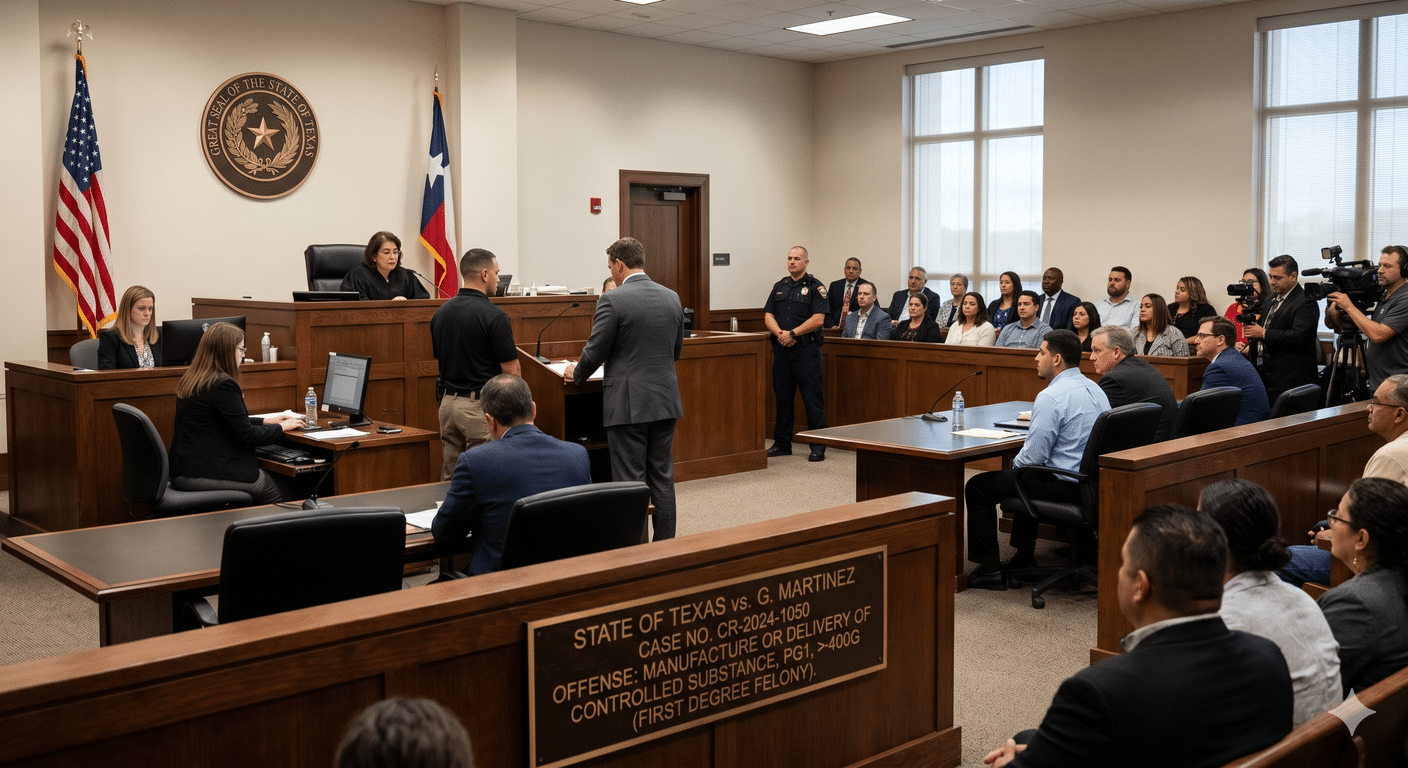
If you grew up out here — Tyler, Longview, Marshall, Texarkana, Sulphur Springs, Mount Pleasant, Paris, Jefferson, Nacogdoches — you already know that East Texas juries don’t play. The folks sitting in the box have probably worked hard their whole lives, they pay attention, and when a prosecutor stands up and says the words “first-degree felony,” they listen. That’s exactly why a first-degree felony charge in East Texas is one of the most serious things a person can face short of a capital murder indictment.
If you or someone you love just got that knock on the door, that phone call from a detective, or that indictment in the mail, this article is for you. We’re going to walk through what a first-degree felony actually is under Texas law, what you’re looking at if you’re convicted, and — most importantly — what the next 30 days can mean for the rest of your life.
What Is a First-Degree Felony Under Texas Law?
Under Texas Penal Code Chapter 12 — the chapter that lays out punishment ranges for every offense in the state — a first-degree felony carries a sentence of 5 to 99 years (or life) in the Texas Department of Criminal Justice, plus a fine up to $10,000. There is no probation cap on most first-degree offenses, and certain charges (like aggravated sexual assault of a child or repeat sex offender enhancements) carry minimums of 25 years with no parole eligibility for decades.
The kinds of offenses that fall into this category include:
- Murder — Texas Penal Code § 19.02
- Aggravated Robbery — Texas Penal Code § 29.03
- Aggravated Sexual Assault — Texas Penal Code § 22.021
- Aggravated Kidnapping — Texas Penal Code § 20.04
- Drug trafficking and large-quantity possession cases under the Texas Controlled Substances Act, Health & Safety Code Chapter 481
- Theft of property valued at $300,000 or more — Texas Penal Code § 31.03
- Arson resulting in serious bodily injury or death — Texas Penal Code § 28.02
For a more detailed breakdown of how these charges work, see our page on First Degree Felony Defense.
Why East Texas Is Different
I’ve tried cases all over this state — Dallas, Houston, the Valley, the Panhandle. East Texas is its own animal, and you need a lawyer who understands that. A few things make defending a first-degree case here different from a big-city case:
Smaller juror pools mean familiarity matters. In Hopkins County, Wood County, Camp County, Titus County, and other rural East Texas jurisdictions, the venire (jury panel) often knows the prosecutors, the deputies, and sometimes the judge personally. That cuts both ways. A lawyer who has tried cases in front of those same juries — like our office has done in over 400 jury trials — knows what plays in front of an East Texas panel and what doesn’t.
The bond practices are tighter. Some of the smaller East Texas counties don’t have the bond schedules you see in Dallas or Harris County. A defendant on a first-degree charge can sit in jail for weeks waiting on a magistrate to set a reasonable bond. With the recent changes under Proposition 3, judges in many rural counties now have the constitutional authority to deny bail outright in certain violent felony cases. That’s a sea change, and it makes the first 72 hours after arrest more important than ever.
The prosecution is aggressive. Many East Texas DA offices are well-funded, well-staffed, and run by career prosecutors who have been trying cases in the same courthouses for 20+ years. They know the local judges, they know the cops, and they know which juries hand down long sentences. They are not afraid to ask for the maximum.
What Happens in the First 30 Days
Most first-degree cases follow the same rough timeline under the Texas Code of Criminal Procedure:
- Arrest and magistrate warning within 48 hours — see Article 15.17
- Initial bond setting — this is where having counsel on the phone immediately can mean the difference between sitting for 30 days and walking out that night. Our 24-hour jail release line is (214) 520-7373.
- Grand jury presentation — the State has to indict on a felony within 90 days of arrest or be subject to bond reduction under Article 17.151
- Arraignment and discovery under the Michael Morton Act, Article 39.14
- Pretrial motions, suppression hearings, and trial
The single biggest mistake people make is waiting. Folks call me three months in, after they’ve already given a recorded statement to a Texas Ranger, after their friend has already testified to the grand jury, and after the prosecutor has already lined up the case the way they want it. By then we’re playing defense from a deficit. The earlier we get involved, the more leverage we have — to negotiate, to investigate, to get evidence preserved, and frankly, to keep clients out of the witness chair.
What an Experienced Defense Looks Like
A real first-degree defense isn’t a single lawyer with a yellow legal pad. It’s an investigation. It’s a forensic team. It’s a private investigator running down witnesses the State never bothered to interview. It’s pulling phone records, body cam, dash cam, jail calls, and surveillance footage before it gets overwritten.
It’s also knowing which fights to pick. A good defense attorney doesn’t file 40 motions just to look busy. We file the ones that move the needle — Fourth Amendment suppression of an illegal search, Fifth Amendment suppression of a coerced statement, attacking the chain of custody on physical evidence, and challenging the State’s expert witnesses under the Daubert/Kelly standard.
For a deeper look at how we approach these cases, our Criminal Defense overview lays out the process. If your case involves specific allegations, we have detailed pages on:
- Murder Defense
- Aggravated Assault Defense
- Armed Robbery Defense
- Drug Trafficking Defense
- Manslaughter Defense
- Capital Felony Defense (if the State is alleging facts that could elevate to capital)
Plea or Trial: Knowing the Difference
About 95% of all criminal cases in Texas resolve by plea, and frankly, sometimes a plea is the right answer. But you can only know that after the case has been worked up — meaning every piece of evidence has been reviewed, every witness has been interviewed, and every legal issue has been identified. A lawyer who walks you in at the first court appearance and tells you to take the State’s first offer hasn’t done the work. Period.
On the other side, the State settles cases when they don’t want to try them. The way you make the State not want to try a case is by being ready to. We’ve completed over 400 jury trials, including more than 100 murder cases, and the prosecutors in this part of the state know that when our office gets involved, the case is going to be tried if it needs to be. That reputation is what gets dismissals and reductions on the front end.
A Word About Punishment Phase
Even if a conviction looks likely, the punishment hearing in a Texas felony case is a separate trial. Under Code of Criminal Procedure Article 37.07, the defense can put on character witnesses, evidence of rehabilitation, mitigating evidence about your background, mental health records, and a whole lot more. A skilled defense lawyer can take a case where the jury found “guilty” and still walk out with probation or a sentence at the low end of the range — instead of 99 years.
Don’t ever let anyone tell you the case is over just because the State “has the evidence.” It’s never over until the verdict and the sentence are read.
What to Do Right Now
If you’re reading this because something just happened — a search warrant, an arrest, a target letter, a grand jury subpoena — here’s what you need to do today:
- Stop talking. Don’t talk to police. Don’t talk to your codefendant. Don’t post on social media. Don’t text about the case. Every word can and will be used.
- Preserve evidence. Phones, surveillance footage from your business or home, receipts, GPS data — save everything.
- Call a lawyer who actually tries cases. Anybody can plead a case out. Very few lawyers in this part of Texas have stood in front of an East Texas jury on a first-degree felony and won. Ask. Make them prove it.
Heath Hyde, P.C. — Defending East Texas
Our principal office is at 214 Connally St, Suite A, Sulphur Springs, TX, with a Dallas office at 900 Jackson St #650. We represent clients throughout East Texas including Sulphur Springs, Tyler, Marshall, Texarkana, Mount Pleasant, Paris, Longview, Jefferson, Nacogdoches, and every county in between. Heath Hyde is a former Assistant District Attorney with over 10 years inside the prosecutor’s office, has tried over 400 jury trials.
The phones are answered 24/7. If you or someone you love is facing a first-degree felony charge in East Texas, don’t wait until Monday morning. Schedule your free consultation or call 903.439.0000 right now.
Your freedom is our profession.
Disclaimer: This article is for general information only and is not legal advice for any specific case. Every case is different, and outcomes depend on the unique facts. Reading this article does not create an attorney-client relationship.